
Your wedding day should feel relaxed, joyful, and completely yours.
I’m Alex Kaplan, a wedding photographer and videographer based in New Milford, NJ, serving Northern NJ, NYC, and the Hudson Valley. For over 30 years, I’ve helped couples enjoy their day without feeling rushed, while I quietly capture the real moments, natural portraits, and genuine emotions you’ll still love decades from now.
Browse by Category:
WEDDINGS
Browse by Venue:
view more

REQUEST INFORMATION
Want to feel like THIS on your wedding day?
Availability is limited. Check Your Date Here
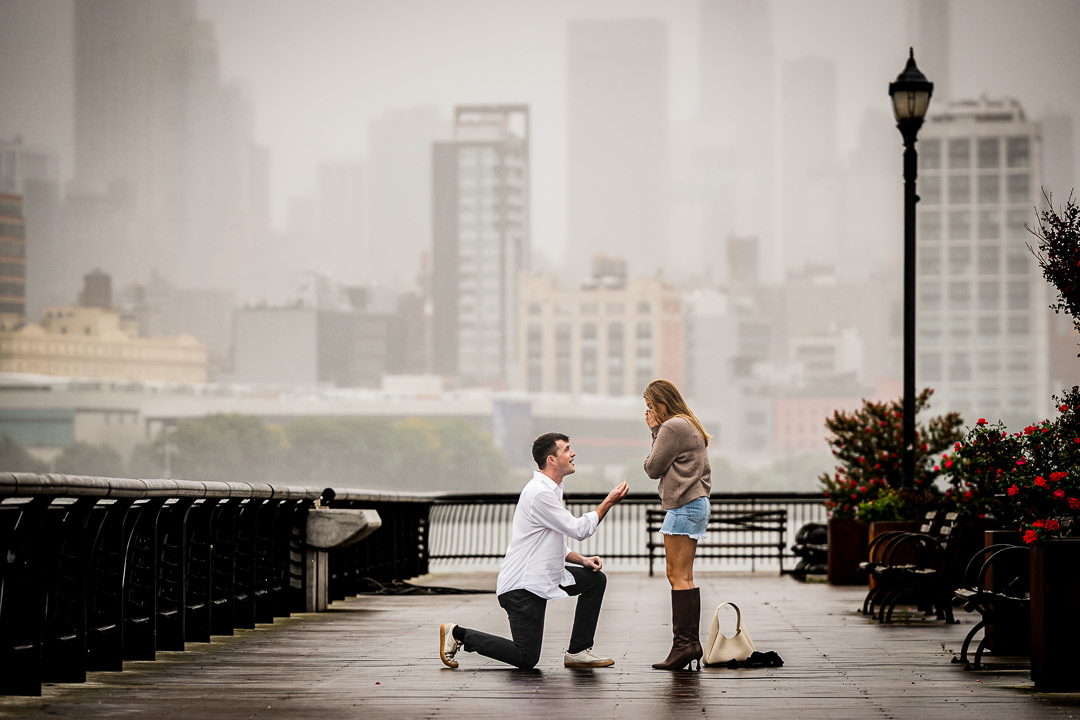


Most couples spend months planning their ceremony. The vows, the flowers, the music, the seating chart that took three revisions to get right.
Then the day arrives, and it moves so fast that half of it happens before anyone has time to notice it’s happening. That’s exactly where wedding ceremony photography earns its keep.
At Alex Kaplan Photo Video, my job isn’t just to record what happened. It’s to preserve the feeling of it, so you can step back into that exact moment ten, twenty, forty years from now.
I learned this the slow way, over three decades of weddings across Northern New Jersey and the NYC metro area. The photo nobody planned is almost always the one that ends up on the wall.
Browse the wedding photography portfolio to see what I mean. Real weddings, real light, nothing staged for the camera.
The Look Between Two People That Says Everything
There’s a specific second during almost every ceremony where the room disappears for the couple. Not the kiss. Not the vows themselves. The look right before.
I watched it happen during a Buttonwood Manor wedding in Matawan, NJ. The groom’s eyes went wide the moment his bride came into view, and his whole face changed before he’d even fully turned around.
That’s not something you can direct. You can only be standing in the right spot, already focused, already anticipating it.
This is the heart of documentary wedding ceremony photos: capturing the anticipation, the nerves, the eye contact that says more than the vows do. If you want to see how this approach plays out across a full wedding day, my wedding photography page walks through exactly how I work from getting-ready through the last dance.
The Quiet Family Moments Couples Often Miss
Ask any couple a year after their wedding what photo they didn’t expect to love, and it’s rarely a portrait. It’s almost always a child.

Flower girls who forget they’re supposed to walk in a straight line. Ring bearers negotiating with their own bow ties. A grandparent’s hand resting on a shoulder, unnoticed by everyone except the camera.
During that Buttonwood Manor ceremony, the flower girl stopped mid-aisle to examine the bride’s bouquet like it was the single most interesting object she’d ever encountered. The bride, mid-veil, just watched her with this soft, unguarded smile.
Nobody scripted that. It happened because a three-year-old has zero interest in wedding timelines, and because I was close enough, and quiet enough, to catch it.
These are the frames that age the best. A posed family portrait tells you who was there. A candid one tells you how it felt to have them there.
Sometimes the Best Wedding Photos Aren’t of the Couple
This one surprises people every time. Some of the strongest images from a wedding gallery have nothing to do with the bride or groom at all.

A guest catching a baby mid-tantrum, eyebrows raised in exactly the expression every parent recognizes. Another guest, a few feet away, laughing so hard she can’t finish her sentence.
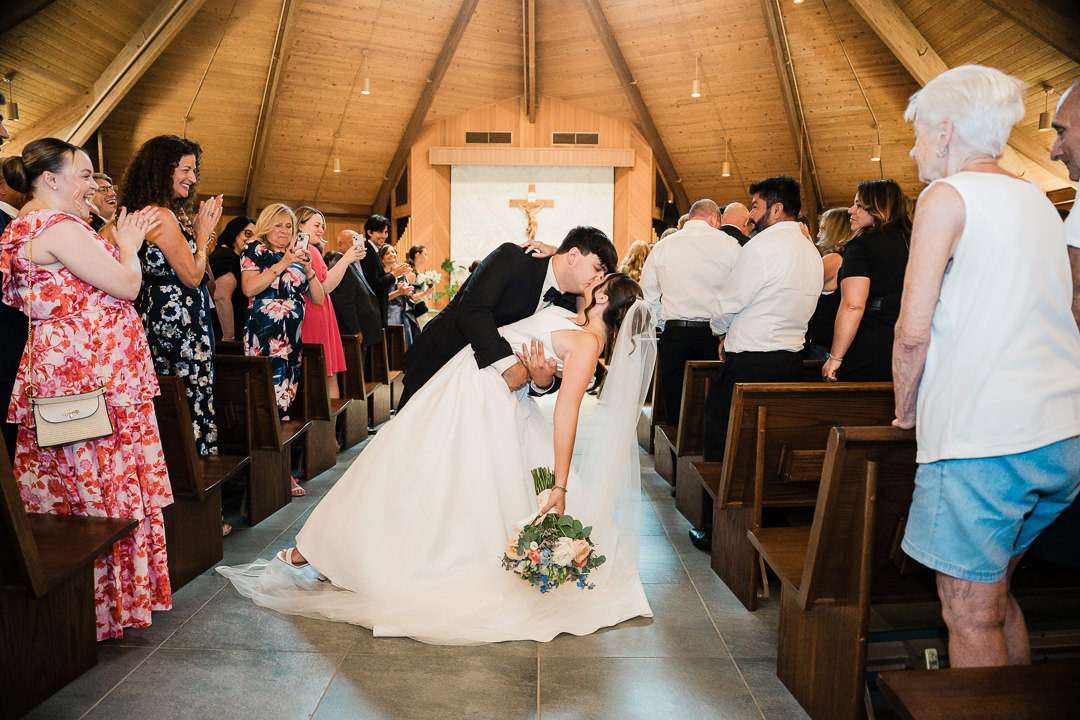
At Buttonwood Manor, one of my favorite frames from that ceremony was exactly this: a man holding a baby who very clearly had opinions about being held, while the woman beside them dissolved into laughter at the whole scene.
That kind of candid wedding ceremony photography completes the story of the day. It shows the texture around the couple, the people who showed up, who reacted, who made the day feel like a real gathering instead of a performance.
Why These Moments Matter More Than the Shot List
Couples often hand me a shot list before the wedding, and I always welcome it. But the images that end up matted and framed are rarely on that list.
They’re the ones that happened in the four seconds nobody was watching for.
Why Documentary Wedding Ceremony Photography Feels Timeless
Traditional wedding coverage records events. Everyone lines up, everyone smiles, the moment gets checked off the list. That has its place, and I still capture it.
But documentary wedding photographer NJ work does something different. It preserves emotion instead of just logging attendance.
Anticipation before the processional. A parent’s face falling apart during the vows. Genuine, unplanned laughter during the reading. Surprise when a guest realizes the ceremony started early.
I’ve written more about this approach in this deeper look at documentary wedding photography in New Jersey, if you want to understand the philosophy behind it before you book anyone.
This approach isn’t unique to me. It’s a recognized standard in the industry. The Wedding Photojournalist Association has spent over two decades holding photographers to exactly this kind of authentic, unposed storytelling, and it’s the tradition I was trained in and still work within.
Why Black and White Makes Emotion Even Stronger
Color photography shows you what a moment looked like. Black and white shows you what a moment felt like.
Strip away the color of a bridesmaid’s dress or the specific shade of the flowers, and what’s left is expression, light, and gesture. Nothing competes with the emotion on someone’s face.
That’s why so many of my favorite emotional wedding ceremony photos end up converted to black and white during editing. A father’s tears read differently once the distraction of color is gone.
It also ages better than most people expect. A color photo can feel dated within a decade because of styling choices. A black and white frame of genuine emotion tends to feel just as powerful twenty years later.
Wedding Ceremony Photography Isn’t About Perfect Poses
I don’t spend the ceremony directing people where to stand or how to angle their chin. That’s not the job, and honestly, it’s not what makes a gallery worth keeping.
My approach is to create the conditions for real moments to happen, then be ready the instant they do. That means staying quiet, staying observant, and resisting the urge to interrupt something that’s actually working.
Couples who hire photographers who over-pose every second of a ceremony often end up with technically clean photos that feel strangely hollow. You can see the effort in every frame, and it shows.
If you want a fuller picture of what tends to go wrong when photography leans too heavily on posing and control, I’ve written about the wedding photo regrets couples often wish they could undo. Most of them trace back to exactly this.
What Your Photographer Should Be Watching During the Ceremony
Couples often ask what they should actually expect a photographer to capture once the ceremony starts. It helps to know what a documentary approach is watching for, moment by moment.
The processional. The first reactions matter as much as the walk itself: a parent’s face right as the doors open, the wedding party’s expressions, the exact second the groom sees his person coming toward him.
Parents and grandparents. Some of the quietest, most enduring images come from the people seated in the first few rows, not just the couple standing at the altar.
Nervous hands. A bouquet gripped a little too tightly, a groom adjusting his jacket for the third time. These small physical tells often say more than a posed smile ever could.
The vows and ring exchange. This is where genuine, unscripted expression tends to surface fastest: a laugh through tears, a squeeze of the hand, a breath held and released.
Guests reacting. Laughter during a stumbled line, a collective gasp, someone dabbing their eyes a few rows back. These reactions round out the emotional record of the day.
Children doing what children do. Flower girls who wander, ring bearers negotiating with their own bow ties, babies with strong opinions about being held still. None of it is scripted, and that’s exactly why it works.
The exit. The relief and joy right after the pronouncement tend to produce some of the most genuine expressions of the entire ceremony, before the formality of the reception takes back over.
A photographer who’s only watching the couple misses most of this. The strongest wedding ceremony photography comes from paying attention to the whole room, not just the two people standing at the front of it.
How Ceremony Coverage Fits Into the Full Wedding Day
Ceremony photography doesn’t exist in isolation. It’s one link in a chain that starts with the quiet anticipation of getting ready and carries straight through into cocktail hour and the reception.
The same instincts that catch a genuine glance at the altar are what catch the first look, a parent’s reaction before the processional, and the shift in the room’s energy when the doors open for the reception.
A photographer who’s only thinking about the ceremony itself tends to miss that connective tissue. The strongest coverage treats the vows as the emotional center of the day, not a standalone event to check off before moving on to portraits.
The Wedding Photos You’ll Return to Years From Now
Almost every couple assumes the formal portrait will be the image they treasure most. In my experience, that’s rarely how it plays out.
More often, it’s the glance. The laugh. The flower girl inspecting the bouquet. The unscripted reaction from a guest three rows back.
Those are the photographs that get pulled out on anniversaries, passed down to kids, brought out at the twenty-fifth reunion. They don’t just document the day. They put you back inside it.
If you’re still weighing questions about coverage, style, or what to expect from a wedding photographer, I’ve answered the ten biggest wedding photography concerns that come up most often in my consultations.
Your Wedding Story Deserves More Than Beautiful Pictures
Every wedding produces hundreds of photographs. Only a handful actually transport you back to how the day felt.
At Alex Kaplan Photo Video, I believe the strongest wedding ceremony photography comes from genuine emotion, not forced poses. By quietly documenting what unfolds between you, your family, and your guests, I create images that mean more with every passing year, not less.
If you’re planning a wedding in New Jersey or New York and want photographs that tell the full, true story of your day, I’d love to talk with you about it.
Couples who care about ceremony photography usually don’t want someone turning their vows into a production. They want someone calm and observant, experienced enough to know when to step in and when to step back. That’s the balance I bring to every wedding: enough direction to keep the day moving, enough restraint to let the real moments breathe.
👉 Contact Alex Kaplan Photo Video to check your date and start the conversation.
Frequently Asked Questions
What is documentary wedding ceremony photography?
Documentary wedding ceremony photography focuses on capturing real moments as they naturally happen, instead of directing every interaction. The photographer observes and anticipates rather than staging the scene.
Should wedding ceremony photos be candid or posed?
The strongest wedding galleries usually combine a handful of well-composed portraits with a much larger set of authentic, candid moments that reflect the actual emotion of the day.
Why are black and white wedding ceremony photos so emotional?
Black and white removes visual distractions like color and styling, putting all the focus on facial expression and light. That often makes the image feel more timeless and more emotionally direct than the same shot in color.
How does a photographer capture genuine ceremony moments?
By anticipating emotion before it happens, staying unobtrusive throughout the ceremony, and letting moments unfold naturally instead of constantly directing the couple, the wedding party, or the guests.
Reply...
The Calm Behind the Camera
About Me — But Really, It’s About You
The most meaningful wedding photos never come from stiff poses.
They come from the quiet laugh you didn’t think anyone saw.
The look on your partner’s face during the vows.
The warmth of your people all around you.
I’ve been doing this for over 30 years — and I still get nervous before every wedding.
Not because I’m uncertain, but because I know how much it matters.
After photographing hundreds of weddings over the past few decades, I’ve learned something simple:
The best photos happen when you feel fully present.
That’s why I work calmly, behind the scenes — guiding when it helps, then stepping back when the real moments unfold. I’m always anticipating what’s next, so you never have to think about a thing.
My goal is simple: to help you relax, feel confident, and walk away with photos that feel like you — not a filtered version of someone else’s idea of perfect.
Most of my couples say the same thing:
“We’re so glad we didn’t have to worry.”


trusted by over 800 couples In NYC & NJ you’re in great hands.
201-834-4999 | 917-992-9097
alex@alexkaplanweddings.com
Let’s Connect
alex@alexkaplanweddings.com
917-992-9097
I’d love to hear what you’re planning. I’ll personally reach out to learn more and see how I can help.


