

What Happens During an Indian Engagement Ceremony? Traditions, Timeline, and Photography Tips


I’m Alex Kaplan, a wedding photographer and videographer based in New Milford, NJ, serving Northern NJ, NYC, and the Hudson Valley. For over 30 years, I’ve helped couples enjoy their day without feeling rushed, while I quietly capture the real moments, natural portraits, and genuine emotions you’ll still love decades from now.

An Indian engagement ceremony is one of the most joyful days I get to photograph, and it carries a weight that surprises a lot of couples the first time they plan one. After more than 30 years behind the camera across Northern New Jersey and the NYC metro area, I have learned that this celebration is never really about a ring. It is two families formally choosing each other, out loud, in front of everyone who matters to them.
If you are planning yours, or you have simply been invited to one and want to understand what you are about to witness, this guide walks through what actually happens, the traditions worth protecting, and how to make sure the day is captured the way it felt.
A Sagai is the formal engagement ceremony in many Indian and Hindu traditions, where the couple exchanges rings and both families publicly bless the union. Depending on region and community, you may hear it called Mangni, Roka, Nischayam, or Shagun, and each version carries its own rituals. At its heart, it is the same moment: the search for a partner is over, and the two families are making it official.
I have watched this ceremony range from a small gathering in a family living room to a full evening celebration in a ballroom. Neither version is more correct than the other. What stays constant is the feeling in the room, that mix of relief, pride, and excitement that settles over both families once the rings are on. You can see how one of these celebrations comes together in this real Indian engagement session, which gives you a sense of the color and emotion involved.
The details shift from one region and faith to the next, so treat this as a map rather than a fixed script. These are the traditions I see most often, and the ones I always make sure to photograph:

Because customs vary so widely across communities, it helps to understand the broader picture before your own ceremony. This clear overview of the Roka ceremony from The Knot explains how these family blessings differ by region, which is useful whether you are planning the day or attending one for the first time.
Every family runs the day a little differently, but most Sagai celebrations follow a loose rhythm, and knowing it makes planning coverage much easier. Guests usually arrive and settle over the first half hour, often with tea, snacks, and a lot of hugging. The formal portion begins once both families are seated together, frequently with a short prayer or the tilak that welcomes the groom. From there the ring exchange takes center stage, and it tends to be the emotional peak everyone has been waiting for. Blessings from the elders follow, then the gift and sweet exchange between the two sides.

The last stretch is pure celebration: music, candid photos, and a shared meal that can carry well into the evening. Start to finish, most ceremonies run two to four hours, so I plan coverage around that window and build in a little cushion on each end. If your community layers in extra rituals, we simply widen the plan so nothing important gets rushed.
The moments that matter most at one of these ceremonies tend to be the quiet ones tucked between the rituals. A mother wiping her eyes when she thinks no one is looking. Two fathers shaking hands a beat longer than expected.
The detail I have learned to watch for is the half second right before the ring goes on, when the couple’s hands are not quite steady yet. Nobody plans for that frame, and across the ceremonies I have shot it is almost always truer than the posed version that follows. My job is to be positioned for all of it without ever making the room feel managed.
I also make a point of capturing the details that carry so much meaning here: the mithai arranged on the tray, the henna if there is a mehndi element, the jewelry, the embroidery on the attire, the rings before they are worn. Those close, textured frames are the ones families return to years later. When I photographed a multicultural celebration at The Crystal Plaza in Livingston, it was exactly these small, honest details that told the fuller story of the day.

If you want a sense of how I balance the big reactions with the quiet ones, the wedding photography gallery shows how those moments look once they are woven together.
The single most useful thing you can do is walk your photographer through the order of your ceremony ahead of time. Tell me the names of the rituals, who leads each one, and which family members carry the most meaning for you. When I know a tilak is coming, or which grandparent will offer the blessing, I am already in the right spot instead of reacting late.
Lighting is worth a quick conversation too. Many engagement ceremonies happen indoors or in the evening, so I plan for warm, flattering light rather than fighting a dim room on the fly. And because these celebrations often run longer than couples expect, a little breathing room in the schedule protects the day. My full wedding day photography timeline guide shows how to build in buffers so nothing important gets rushed.
One more small tip: assign a family member to quietly explain the ritual order to any guests, and to me, as the day unfolds. It keeps everyone relaxed and keeps the ceremony flowing naturally.
An engagement ceremony like this is a family event in the truest sense, so family portraits deserve real attention here. Both sides have traveled, dressed beautifully, and come together for this exact reason, and a decade from now those group frames will mean more than almost anything else from the day.

I recommend building a short, prioritized list before the ceremony: the couple with each set of parents, grandparents included, both families together, and any close relatives who rarely gather in one place. Keeping the list tight lets us move quickly and warmly, so the portraits feel like a celebration rather than a lineup. Then we step back and let the rest of the evening happen on its own.
What is the difference between a Sagai and a Roka? A Roka is usually the first, smaller step, where both families privately agree to the match and give their blessings. The Sagai, or engagement, is the more formal ring ceremony that publicly announces the union. Many modern couples now combine the two into a single celebration.
How long does an Indian engagement ceremony last? Most last between two and four hours, though it depends heavily on your community and how many rituals are included. Smaller family ceremonies can wrap in a couple of hours, while larger celebrations with music and a full meal often run into the evening.
What should guests wear to an Indian engagement ceremony? Traditional or festive attire is a safe and respectful choice. Women often wear a saree, lehenga, or salwar kameez, and men wear a kurta or a suit. When in doubt, ask the hosting family about the tone, since some ceremonies are intimate and others are grand.
Do you exchange rings at a Sagai? Yes, in most modern ceremonies the couple exchanges rings, which is why the Sagai is sometimes called the ring ceremony. The ring exchange is a newer, widely embraced tradition, layered on top of older customs like blessings, gifts, and prayers.
How many hours of photography do I need for an engagement ceremony? For most engagement ceremonies, three to four hours of coverage is plenty to capture the preparations, the rituals, family portraits, and the celebration afterward. Larger events with multiple traditions may benefit from a longer window so nothing feels compressed.
If you are planning an Indian engagement ceremony anywhere across Northern New Jersey, the NYC metro area, or the Hudson Valley, I would genuinely love to hear about your day. Whether it is an intimate Sagai at home or a full celebration at a venue, my goal is the same: to document the traditions and the feeling exactly as they happen, so you can relive them for the rest of your lives.

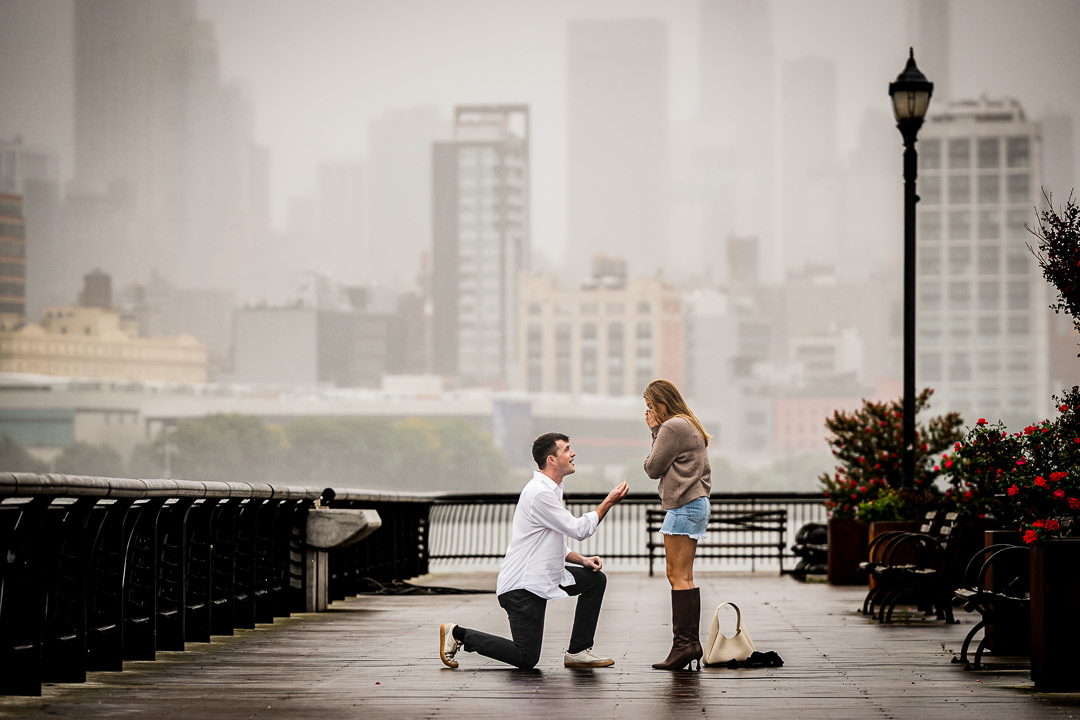
I photograph the whole arc for couples, not just the ceremony, so if the proposal is still ahead of you, my guide to wedding proposal ideas across Northern New Jersey is a good place to begin. And when the wedding follows, I would love to carry that same quiet, documentary approach straight through the day.
When you are ready, you can reach out through the contact page to talk through personalized wedding, engagement, or proposal photography. I will personally respond, and we will figure out what coverage makes sense for your family and the moments you most want to keep.
About Me — But Really, It’s About You
The most meaningful wedding photos never come from stiff poses.
They come from the quiet laugh you didn’t think anyone saw.
The look on your partner’s face during the vows.
The warmth of your people all around you.
I’ve been doing this for over 30 years — and I still get nervous before every wedding.
Not because I’m uncertain, but because I know how much it matters.
After photographing hundreds of weddings over the past few decades, I’ve learned something simple:
The best photos happen when you feel fully present.
That’s why I work calmly, behind the scenes — guiding when it helps, then stepping back when the real moments unfold. I’m always anticipating what’s next, so you never have to think about a thing.
My goal is simple: to help you relax, feel confident, and walk away with photos that feel like you — not a filtered version of someone else’s idea of perfect.
Most of my couples say the same thing:
“We’re so glad we didn’t have to worry.”


trusted by over 800 couples In NYC & NJ you’re in great hands.
201-834-4999 | 917-992-9097
alex@alexkaplanweddings.com
I’d love to hear what you’re planning. I’ll personally reach out to learn more and see how I can help.


