
Your wedding day should feel relaxed, joyful, and completely yours.
I’m Alex Kaplan, a wedding photographer and videographer based in New Milford, NJ, serving Northern NJ, NYC, and the Hudson Valley. For over 30 years, I’ve helped couples enjoy their day without feeling rushed, while I quietly capture the real moments, natural portraits, and genuine emotions you’ll still love decades from now.
Browse by Category:
WEDDINGS
Browse by Venue:
view more

REQUEST INFORMATION
Want to feel like THIS on your wedding day?
Availability is limited. Check Your Date Here
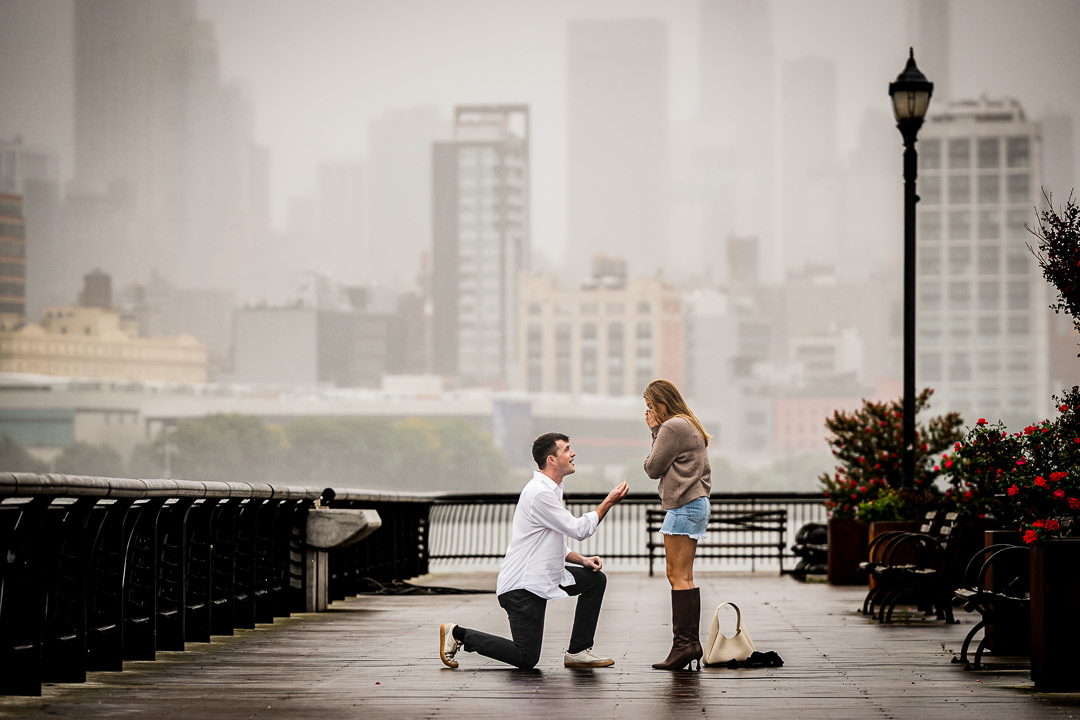
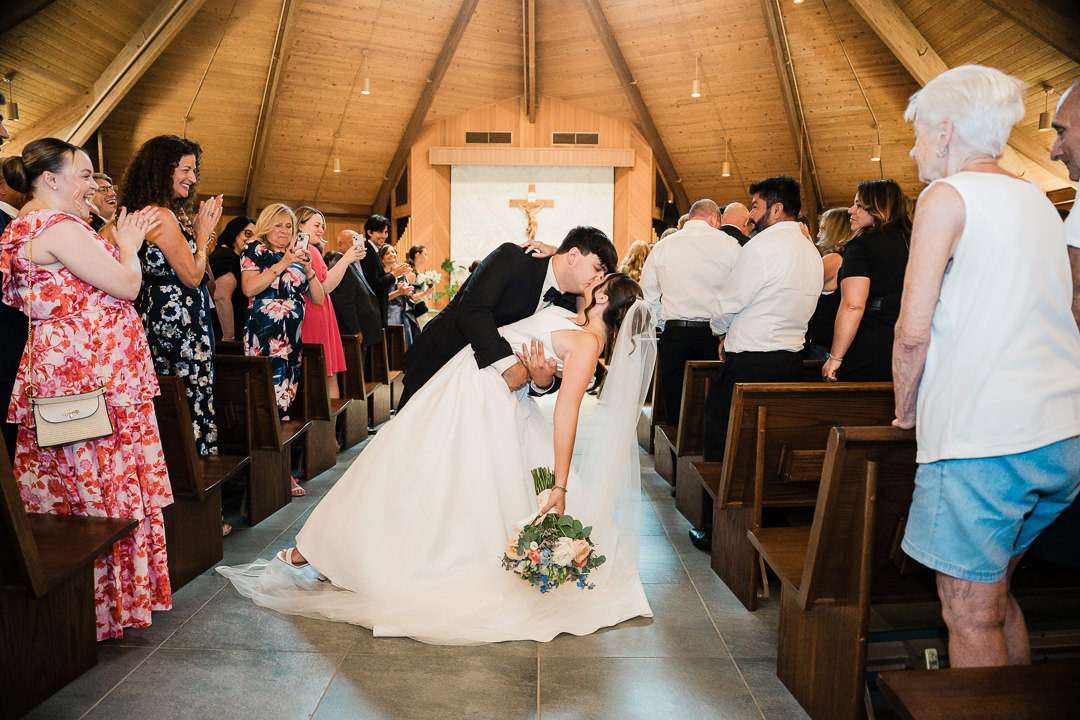


After more than thirty years photographing weddings, I can tell you something most couples never expect to hear: the unplanned wedding photos are usually the ones they end up loving most.
Not because the family portraits do not matter. They do, and I protect time for them at every wedding. But the photo that ends up framed on a wall is almost always one nobody scheduled.
A father trying to hold himself together during a toast. A bride laughing harder than she meant to. A groom reacting before he has a chance to compose himself. Those are the frames couples return to, because they feel like the day actually felt.
Most couples who reach out to me are after natural wedding photos without awkward posing. What they really want is for the gallery to feel like their wedding, not a staged version of it.
That instinct is the foundation of documentary wedding photography in New Jersey: noticing what is happening before anyone turns it into a pose. Some of my favorite images, including authentic wedding recessional photos, come from the few seconds when no one is thinking about the camera at all.
What Are Unplanned Wedding Photos?
Unplanned wedding photos are candid images captured without posing or direction, while genuine moments happen on their own. They include laughter, tears, quiet glances, nervous energy, and reactions no one saw coming. Rather than showing only how a wedding looked, these authentic wedding moments preserve how the day actually felt.
That difference matters. A photo where everyone is told to smile can still be beautiful, but it has a different purpose. A photo of your grandmother quietly wiping away a tear during the ceremony carries something else. It is less arranged. More alive.
And that is usually the kind of image that grows more valuable with time.
How Unplanned Wedding Photos Capture Real Emotion
The honesty is the whole point. When people forget the camera is there, their shoulders drop and their real expressions come back.
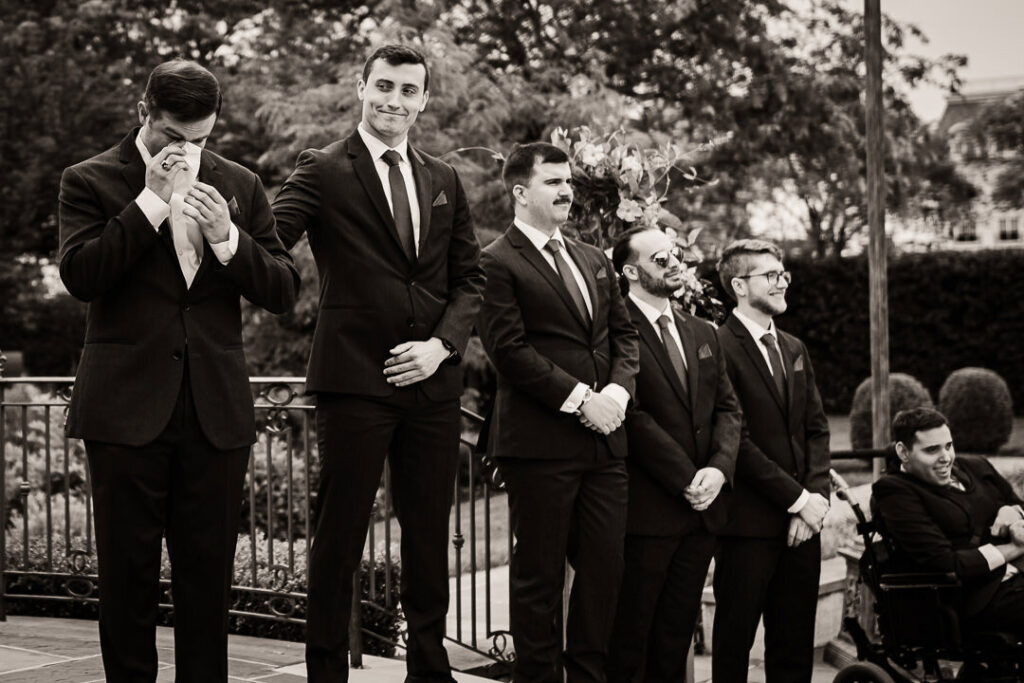
A nervous laugh before the aisle. A parent straightening a veil without saying a word. A best man wiping his eyes when he thinks no one is looking.
Natural wedding photography exists for these seconds, and you cannot ask anyone to produce them on cue. You can only be in position when they arrive.
Why Are Candid Wedding Photos Important?
Candid wedding photos are important because they preserve the emotion of the day, not just its appearance. Posed portraits record who was there and what they wore. Candid photos capture the feeling underneath, which is what couples connect to most when they look back years later.
A wedding day moves fast. You get pulled from ceremony to portraits to cocktail hour to speeches, and the whole thing can pass in a blur.
The unplanned photos slow that blur down.
They hold the look your partner gave you when no one else noticed, your parents watching from the side, the friends who could not stop laughing at the next table.
Those are not filler frames. They are what makes a gallery feel like yours instead of like anyone else’s.
What the Camera Catches When No One Is Posing
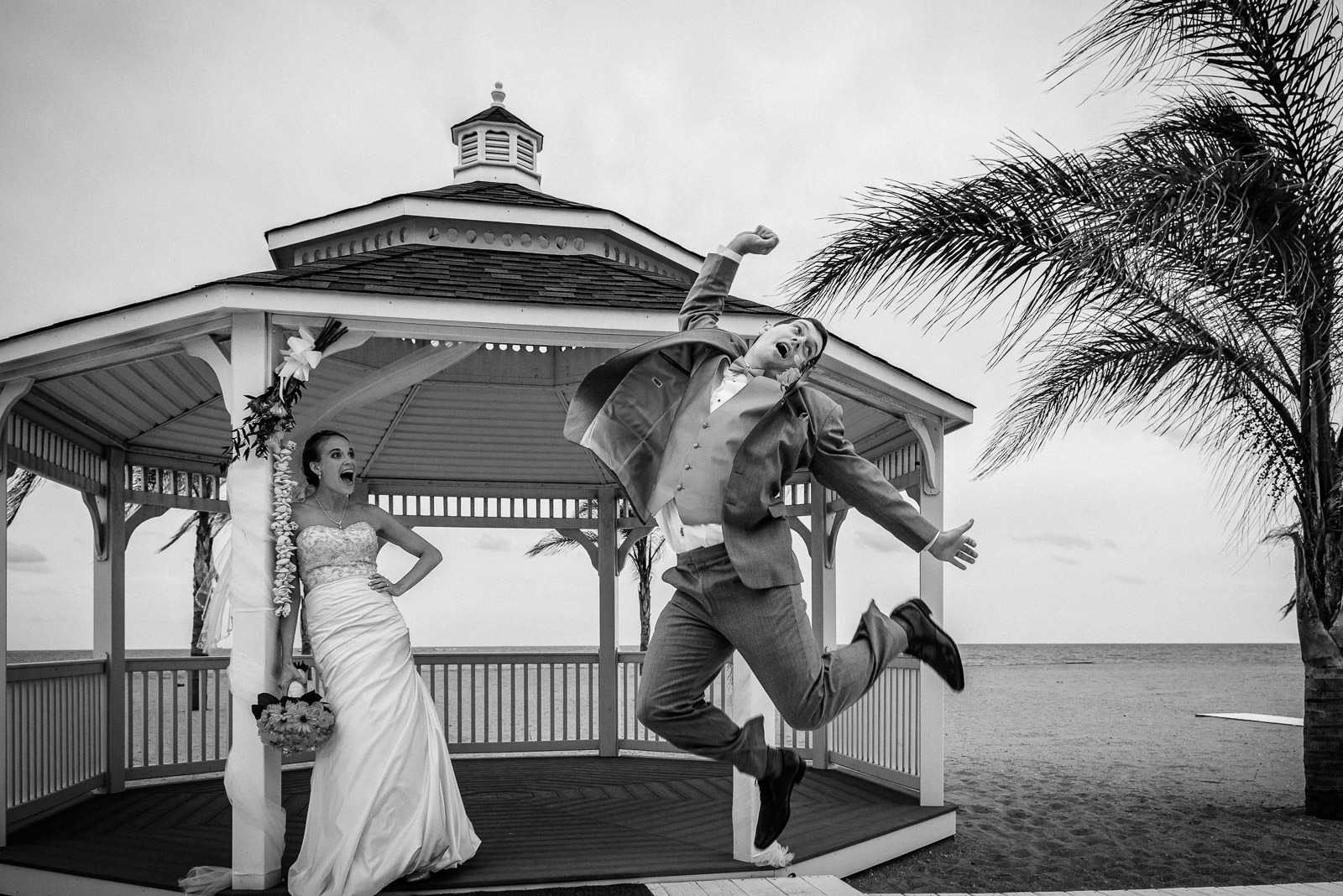
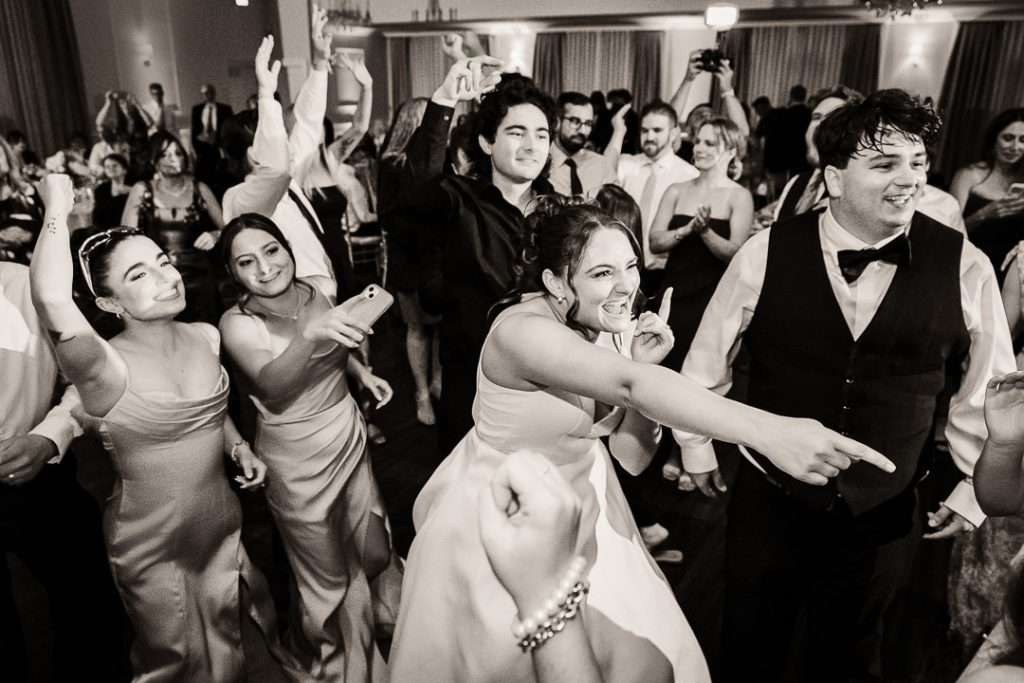
The hero image at the top of this post is a good example. The groom launches into the air with both arms up, the bride laughs beside him, and nothing about it looks rehearsed.
It does not work because someone posed it well. It works because it happened honestly, and I happened to be ready for it.
You can plan the ceremony time, the portrait location, and the reception entrance. You cannot plan the exact second someone’s joy takes over.
So I keep my camera up during the stretches other photographers treat as downtime: the walk back up the aisle, the gaps between formal portraits, the toasts, the edge of the dance floor.
A surprising amount of the real story lives in those in-between minutes.
Are Candid Wedding Photos Better Than Posed Photos?
Candid wedding photos are not automatically better than posed photos; they simply do different jobs. Posed portraits give families clean, timeless images they will want decades from now. Candid photography preserves movement, emotion, and personality. The strongest galleries carry both.
I always set aside time for family and couple portraits. Those images matter, especially years later when families change and people want a clear record of everyone who stood beside them that day.
A gallery built only on posed shots, though, can start to feel a little airless.
Pair that structure with real, spontaneous moments and the collection finally feels complete. That balance is where a wedding gallery gets its depth.
How Do Photographers Capture Authentic Wedding Moments?
Photographers capture authentic wedding moments by watching closely, anticipating emotion, and staying out of the way as it unfolds. Documentary wedding photography runs on timing, patience, and reading a room before a moment peaks. The goal is to be present without making anyone self-conscious.
After three decades, much of this has become instinct. The best frame is often about to happen just off to the side of the obvious action.
Why I Watch the Whole Room, Not Just the Moment
During a toast, I am not only photographing the person speaking. I am watching the couple, the parents, and the friend at the next table who already knows the punchline.
During the vows, I am not only watching the words. I am watching hands, shoulders, and the small shifts that give away what someone is feeling.
The second people feel over-directed, the honesty drains out of the picture, and the real wedding moments slip away with it.
How to Make Room for Unplanned Wedding Photos on Your Day
You do not have to force candid photos. You mostly have to leave room for them.
A packed timeline keeps everyone in performance mode. When every minute is filled with instructions and formal groupings, there is no space for anything spontaneous to surface.
A little breathing room changes that.
Leave time after the ceremony, resist the urge to overfill cocktail hour, and let parts of the reception unfold without turning each one into a production.
Then trust a photographer who knows when to guide and when to step back. That is usually when the best images appear, simply because everyone finally has space to be themselves.
The Photos You Will Still Love Years From Now
Right after the wedding, couples tend to notice the big images first: the ceremony kiss, the portraits, the full reception room.
Years later, they linger somewhere else.
The laugh during the toast. The parent watching quietly from the side. The friend dancing badly and loving it. The small reaction that did not seem like much at the time but somehow holds the whole day inside it.
That is what unplanned wedding photos do.
They do not just show what happened; they bring back how it felt.
Most of the couples I work with are marrying somewhere across Northern New Jersey, from the Jersey Shore to towns like Montclair, with a few celebrating in New York City. If you want photography that captures the real story of your day rather than a staged version of it, I would be glad to hear what you have in mind. You can reach out through my contact page and tell me what you want the day to feel like.
Reply...
The Calm Behind the Camera
About Me — But Really, It’s About You
The most meaningful wedding photos never come from stiff poses.
They come from the quiet laugh you didn’t think anyone saw.
The look on your partner’s face during the vows.
The warmth of your people all around you.
I’ve been doing this for over 30 years — and I still get nervous before every wedding.
Not because I’m uncertain, but because I know how much it matters.
After photographing hundreds of weddings over the past few decades, I’ve learned something simple:
The best photos happen when you feel fully present.
That’s why I work calmly, behind the scenes — guiding when it helps, then stepping back when the real moments unfold. I’m always anticipating what’s next, so you never have to think about a thing.
My goal is simple: to help you relax, feel confident, and walk away with photos that feel like you — not a filtered version of someone else’s idea of perfect.
Most of my couples say the same thing:
“We’re so glad we didn’t have to worry.”


trusted by over 800 couples In NYC & NJ you’re in great hands.
201-834-4999 | 917-992-9097
alex@alexkaplanweddings.com
Let’s Connect
alex@alexkaplanweddings.com
917-992-9097
I’d love to hear what you’re planning. I’ll personally reach out to learn more and see how I can help.


