

How to Plan Multicultural Wedding Photography That Captures Every Tradition and Celebration
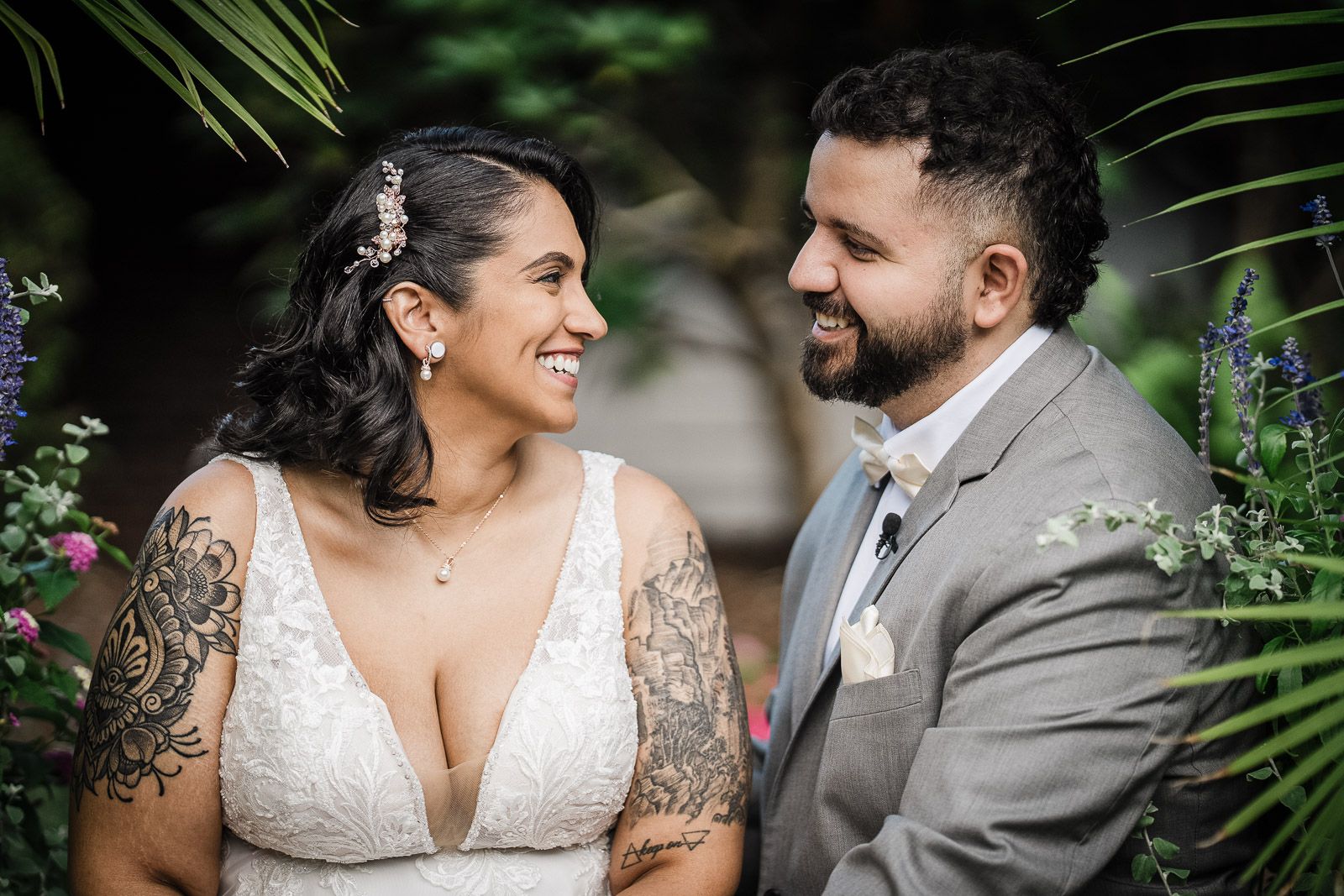

I’m Alex Kaplan, a wedding photographer and videographer based in New Milford, NJ, serving Northern NJ, NYC, and the Hudson Valley. For over 30 years, I’ve helped couples enjoy their day without feeling rushed, while I quietly capture the real moments, natural portraits, and genuine emotions you’ll still love decades from now.

When a wedding brings together different cultures, families, or ceremonies, I do not approach it as a standard timeline with a few extra events dropped in. A multicultural wedding has its own shape, its own pacing, and its own set of moments that carry weight for the people in the room.
I have been photographing weddings across Northern New Jersey and the New York City area for more than thirty years. The couples who end up with the most complete story are not necessarily the ones with the biggest budget. They are the ones who told me what mattered before the day began.
Start by sharing your ceremony schedule, important cultural traditions, key family members, outfit changes, and must-photograph moments with your photographer. For multi-day weddings, plan coverage around each celebration rather than trying to fit every tradition into a standard wedding-day photography timeline.
That answer sounds simple. Most couples researching how to plan a multicultural wedding are really asking something narrower: how do we make sure nothing important gets missed? That is where planning usually breaks down, and it is worth walking through properly.
A conventional wedding schedule assumes one ceremony, one look, one guest list, and one arc from morning to last dance. Blended celebrations rarely follow that.
There may be multiple ceremonies on different dates, rituals with a fixed order that cannot be paused, two sets of family customs running in parallel, and clothing changes that mark a shift in the day. Any of those can quietly break a timeline built on assumptions.
The harder problem is significance. A photographer unfamiliar with a tradition may see a brief exchange between a parent and a couple as background activity, when it is actually the emotional center of the entire morning.
For a sense of how a blended celebration actually unfolds across one day, this multicultural wedding at Crystal Plaza is a useful worked example.
I do not need to be an expert in every culture. That is not the job, and any photographer who claims otherwise is selling something.
The job is to listen closely enough that I know what is coming, who is involved, and what it means to you. I ask couples to walk me through their celebration in plain language: what happens, in what order, and who should be in the frame when it does.
Cultural wedding traditions vary enormously, even between two families from the same background. The couple should be my starting point, not a generic cultural checklist and not an assumption I bring with me. Relatives, officiants, and cultural coordinators often fill in the rest.
I also ask about restrictions. Some ceremonies have spaces a photographer should not enter, moments where flash is inappropriate, or officiants who prefer a specific distance. Knowing that in advance protects the ceremony and protects the images.
Most wedding photography timeline advice starts with the ceremony and works outward. For cross-cultural weddings, I work the opposite way, starting with the rituals that cannot move and building everything flexible around them.
Ceremonies with a fixed sequence set the anchor points. Portraits, family groupings, and detail coverage then fill the space that genuinely exists rather than the space a template says should exist.
If you want the underlying framework, my wedding day photography timeline guide walks through how a full day fits together in practice at Northern New Jersey venues.
Multiple wedding ceremonies across separate dates change the math on coverage. Two celebration days are not one wedding stretched longer; they are two distinct stories that need to read as one gallery at the end.
Multi-day wedding photography works best when each event gets its own coverage plan, its own family list, and its own realistic block of portrait time. Trying to borrow hours from one day to rescue another is how the second celebration ends up thin.
There is also a visual consideration. Different venues, different light, and different clothing can make a gallery feel disjointed, so I plan deliberately for continuity in how each day is photographed.
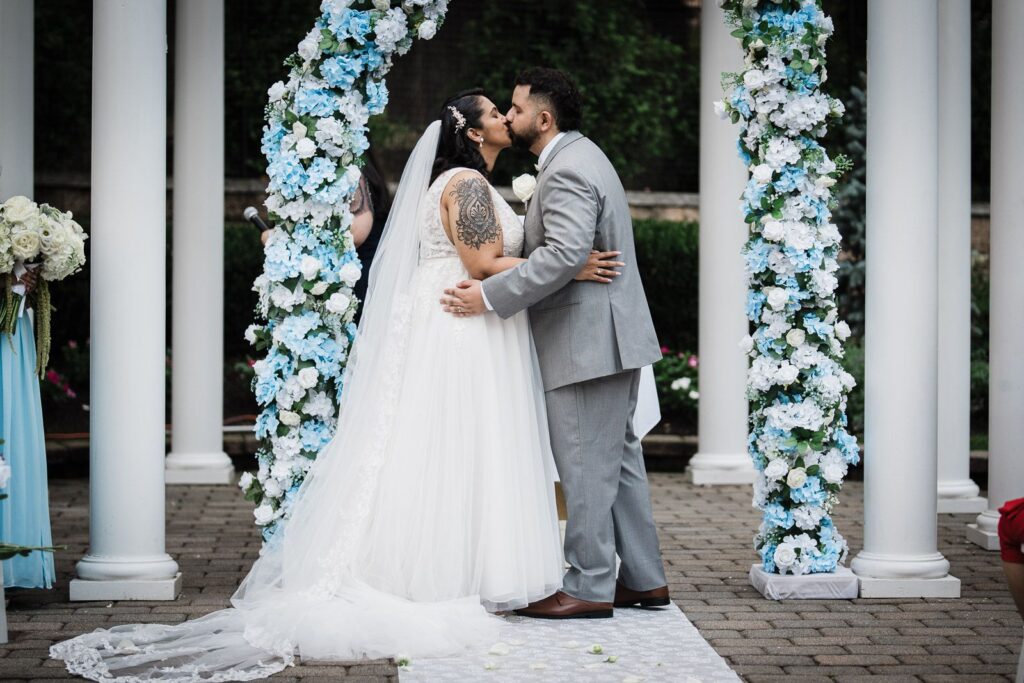
At weddings that bring multiple families and traditions together, family photographs may carry particular importance. If relatives are traveling in, or gathering together only rarely, tell your photographer which group photographs matter most.
I ask for a written family list in advance, grouped in shooting order, with one person from each side who can gather people quickly. That single step is the difference between formal portraits moving efficiently and formal portraits eating the celebration.
Planned portraits and documentary coverage are not competing approaches. The list handles the photographs you would regret not having, which frees me to spend the rest of the day watching for the ones nobody planned.
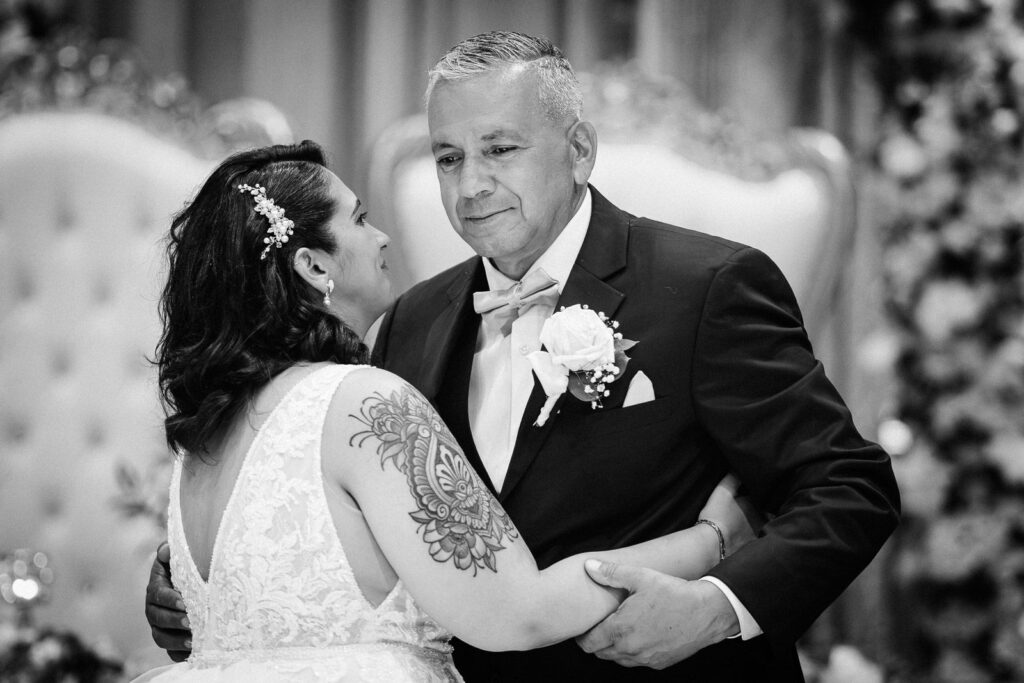
A packed schedule tempts couples to treat portraits as a checklist to survive. That is when people start performing, and performing photographs badly.
My approach is closer to setting a scene and then getting out of the way. I place a couple in good light, give one small piece of direction, and let the next moments happen without interruption.
Unhurried time in good light does more for a gallery than a longer list of posed setups. You can see how that plays out across full celebrations in the wedding portfolio.
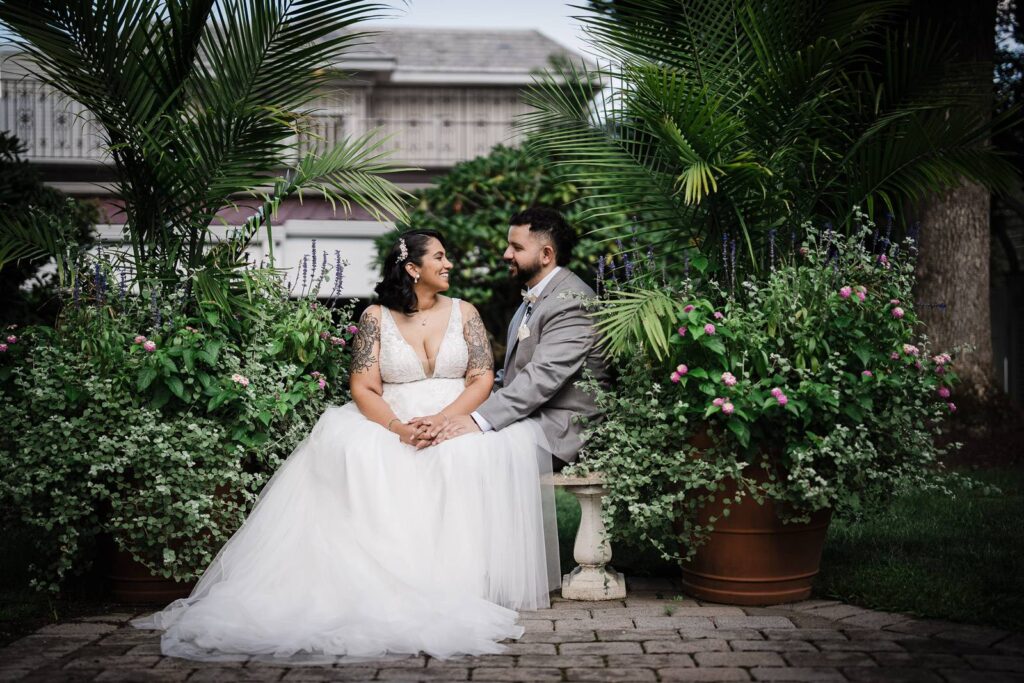
Give your photographer the full ceremony schedule with dates and locations, the traditions that matter most to each family, the key relatives by name and role, every outfit change, any photography restrictions, and the specific moments you would be devastated to lose.
Send it in writing, not in conversation. A shared document that both families can add to catches the details couples forget, particularly rituals that a relative is organizing rather than the couple.
The question I get asked is whether a photographer needs prior experience with a specific tradition. Helpful, yes. Essential, no.
What actually predicts a good outcome is preparation and adaptability: someone who asks detailed questions months ahead, reads a room quickly, works well in unpredictable light, and stays calm when the schedule changes. Those skills transfer across every culture.
Ask any photographer you are considering how they would handle a two-day celebration, and listen for whether the answer is about logistics or about you. The answer tells you more than a portfolio does.
Earlier than you would for a single-day wedding. Holding two dates on one photographer’s calendar is harder than holding one, so multi-day celebrations should start the conversation well ahead of a conventional booking window.
Plan coverage per event rather than as a single total. Each significant ceremony or celebration usually needs its own block, and combining them into one number is how the second day ends up underserved.
Often yes. A first look frees portrait time that a packed multi-ceremony schedule cannot otherwise provide, and it gives you a private moment before the day belongs to everyone else.
A second photographer is especially valuable when preparations or ceremonies happen at the same time, because one photographer cannot physically cover two locations simultaneously.
If you are planning a celebration that spans more than one tradition, more than one family’s customs, or more than one day, I would like to hear how it is taking shape. I work out of New Milford and photograph across Northern New Jersey, NYC, and the Hudson Valley.
Tell me what your celebration looks like and I will tell you honestly what your photography plan should be. You can reach me through the contact page to start that conversation.
About Me — But Really, It’s About You
The most meaningful wedding photos never come from stiff poses.
They come from the quiet laugh you didn’t think anyone saw.
The look on your partner’s face during the vows.
The warmth of your people all around you.
I’ve been doing this for over 30 years — and I still get nervous before every wedding.
Not because I’m uncertain, but because I know how much it matters.
After photographing hundreds of weddings over the past few decades, I’ve learned something simple:
The best photos happen when you feel fully present.
That’s why I work calmly, behind the scenes — guiding when it helps, then stepping back when the real moments unfold. I’m always anticipating what’s next, so you never have to think about a thing.
My goal is simple: to help you relax, feel confident, and walk away with photos that feel like you — not a filtered version of someone else’s idea of perfect.
Most of my couples say the same thing:
“We’re so glad we didn’t have to worry.”


trusted by over 800 couples In NYC & NJ you’re in great hands.
201-834-4999 | 917-992-9097
alex@alexkaplanweddings.com
I’d love to hear what you’re planning. I’ll personally reach out to learn more and see how I can help.


