

Top 3 Wedding Timeline Mistakes That Hurt Your Photos (And the Biggest Budget Misconception Couples Make)
February 25, 2026

I’m Alex Kaplan, a wedding photographer and videographer based in New Milford, NJ, serving Northern NJ, NYC, and the Hudson Valley. For over 30 years, I’ve helped couples enjoy their day without feeling rushed — while I quietly capture the real moments, natural portraits, and genuine emotions you’ll still love decades from now.

February 25, 2026
Your wedding timeline affects your photos more than most couples realize. That’s not something most couples hear before the big day- but after photographing hundreds of weddings across New Jersey and the NYC metro area, it’s the truest thing I can tell you.
The couples who end up with images they absolutely love? They didn’t necessarily book the most expensive photographer or choose the most beautiful venue. They had a realistic timeline. They built in breathing room. They understood what actually drives the quality of wedding photos.
The couples who end up with regrets? Almost always, it comes back to one of these three timeline mistakes- or a budget decision they wish they could take back.
Here’s what to know before you finalize your day.
Golden hour- that window of soft, warm light 20 to 30 minutes before sunset — is the single most transformative element in wedding photography. The difference between portraits taken at 3:00 PM under harsh midday sun and portraits taken at 7:30 PM in golden light is not subtle. It’s the difference between photos you post and photos you frame.
Here’s the problem: most couples don’t schedule for it. They plan cocktail hour, dinner, first dances, and toasts, and somewhere in there they assume portraits will just happen. But by the time the ceremony ends, guests start pulling you in every direction, and before you know it, the light is gone.
What I recommend: block out 15 to 20 minutes specifically for golden hour portraits. Put it on the timeline. Tell your coordinator. It doesn’t need to be long – it just needs to be protected.
For outdoor weddings in Northern New Jersey and the Hudson Valley especially, that evening light can be absolutely stunning. But only if there’s time to use it.
I’ve seen it dozens of times. A couple blocks out 20 minutes for family portraits and expects everything to run smoothly. Then Aunt Carol can’t find her shoes. Then Dad needs five minutes to track down his glasses. Then someone wants one more grouping that wasn’t on the list.
Every time I see couples fall behind on portrait time, it’s not because something dramatic happened. It’s because no buffer was built in.
My job isn’t just taking photos. It’s keeping this part of the day calm and on track. And that starts with making sure the schedule is actually built for real life, not best-case scenarios.
Here’s a more realistic breakdown of what portrait time actually requires:
Add travel time between locations, and it adds up fast. If you’re squeezing all of that into a tight window between ceremony end and cocktail hour, something is going to give. And usually, it’s the quality of the photos.
The fix is simple: build a realistic portrait schedule and add 10 minutes of buffer at every transition. It sounds small, but it changes everything.
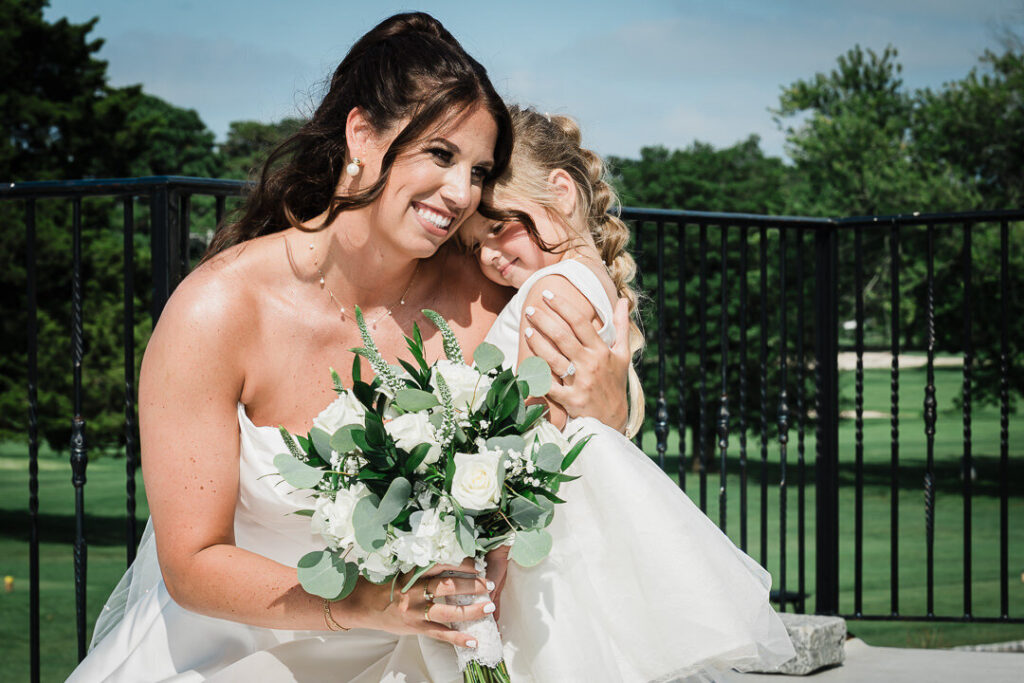
Ceremonies rarely end exactly on time. A reading runs long. The processional takes longer than expected. The officiant adds a few extra words. And then guests don’t just quietly file to their seats- they hug the couple, they linger, they stop for quick conversations.
Without a buffer between ceremony end and reception start, the entire rest of the day runs behind. The domino effect is real. Late portraits mean a late grand entrance. A late grand entrance means a compressed dinner. Compressed dinner means the first dance and toasts get pushed, and suddenly you’re in the final hour of your reception wondering where the time went.
I always recommend at least 15 to 20 minutes of cushion built directly into the NJ wedding day timeline right after the ceremony. Don’t schedule anything in that window. Let it absorb whatever the day throws at you.
The couples who feel the most relaxed during their photos are almost always the ones who had time they didn’t end up needing- not the ones who were racing the clock.
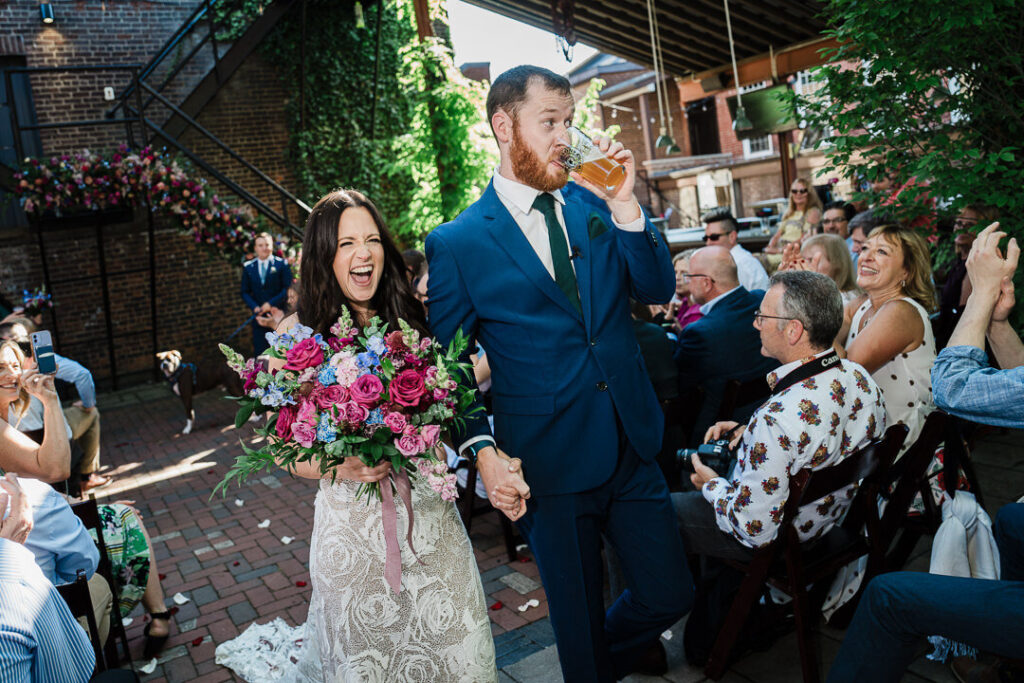
Here’s something I see often, and it’s worth saying plainly: the couples who get the best photos aren’t always the ones who spent the most. They’re the ones who gave their photographer the right conditions to work in.
What does that actually mean? Time. Realistic schedules. A second photographer to cover two places at once. Enough hours to let moments breathe instead of racing the clock from one thing to the next.
The misconception is treating photography like any other vendor line item- something to balance, trim, or swap out if the floral budget runs over. The flowers, the upgraded linens, the late-night snack station- they’re all wonderful on the day. But none of them exist in any form when the day is over.
What you can’t fix after the day:
Experience matters in a high-pressure situation. Not because a more experienced photographer has fancier gear, but because they’ve seen what goes wrong, they know how to adjust, and they stay calm when the day doesn’t go exactly to plan. That calm is something you’ll feel- and it shows up in the photos.
Protect the time. Build the buffers. Choose experience for pressure. That’s how you get calm faces in the photos, even when the day runs late. If you want to understand exactly what goes into our packages, take a look at our wedding photography investment page.
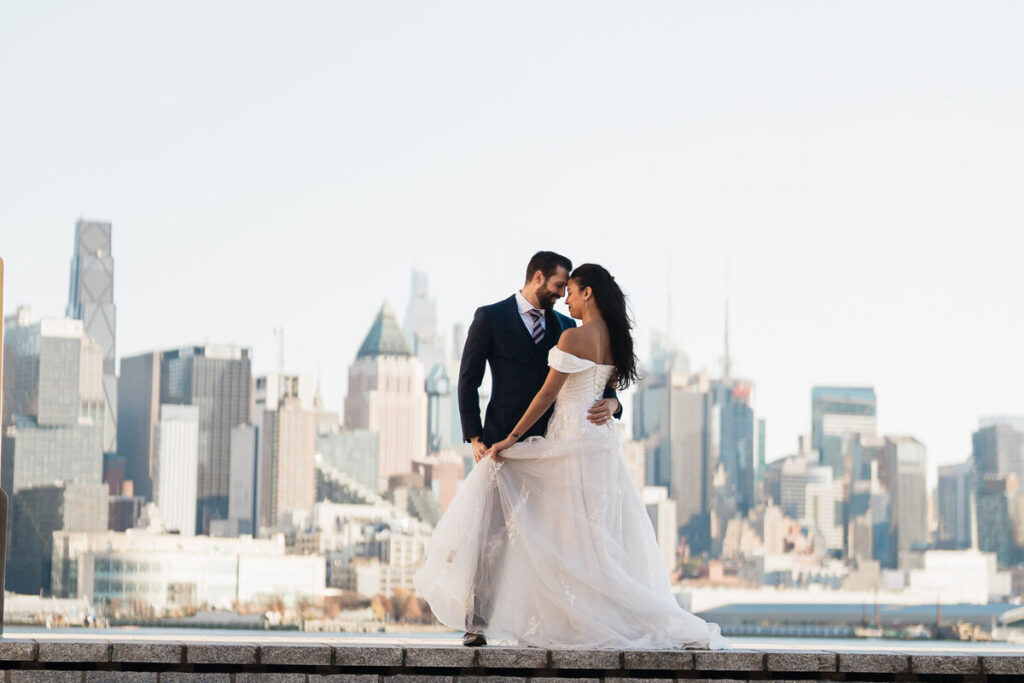
How much time should we schedule for wedding photos? For most weddings, plan on 30–40 minutes for family formals, 20–30 minutes for bridal party portraits, and 30–45 minutes for couple portraits. Add buffer time between each segment and protect 15–20 minutes for golden hour. Most couples need at least two hours of dedicated portrait time to feel unhurried.
When is the best time for wedding portraits? Golden hour- the 20 to 30 minutes before sunset- produces the most flattering light for outdoor portraits. If your ceremony ends before golden hour, build time into the reception schedule to step away briefly for a few minutes of portraits during that window. It’s worth every minute.
Do we really need a second photographer? For most weddings, yes. A second photographer covers getting-ready moments happening simultaneously, captures different angles during the ceremony, documents candid guest reactions, and allows the primary photographer to focus entirely on you. The coverage difference is significant, especially during the ceremony and first dances.
How much should we budget for wedding photography? Across the NJ and NYC market, wedding photography varies widely depending on hours, second photographer, and album inclusions. Our packages start at $2,500, and most couples invest around the mid-$3,000s for full coverage. Rather than starting with a number, start with what you want- then build from there. The photos are what you’ll have in 10, 20, 30 years.
If you’re planning a wedding in Northern New Jersey, NYC, or the surrounding area and want a timeline that’s actually built for great photos- not just logistics- I’d be glad to help.
I’ve been photographing weddings since 1995. Thirty years of watching timelines work and watching them fall apart. I know the difference, and I’ll tell you exactly what I’d do with your day.
Browse real wedding galleries in our portfolio, read what past couples have shared on our testimonials page, or reach out directly through our contact page.
The timeline conversation is always free. The regret of not having it is not.
About Me — But Really, It’s About You
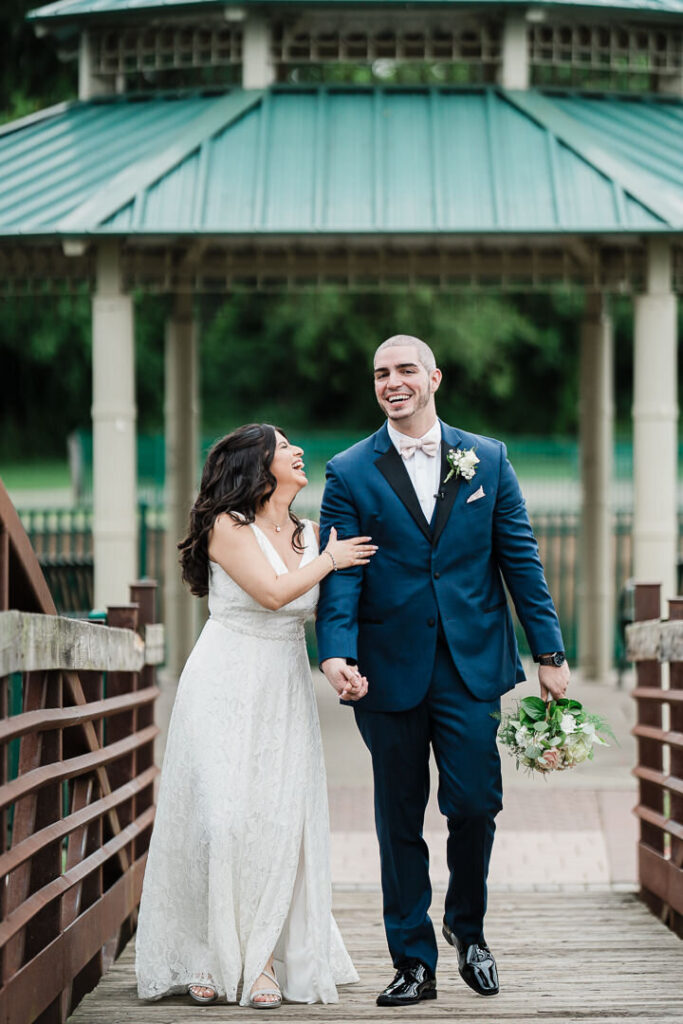
The most meaningful wedding photos never come from stiff poses.
They come from the quiet laugh you didn’t think anyone saw.
The look on your partner’s face during the vows.
The warmth of your people all around you.
I’ve been doing this for over 30 years — and I still get nervous before every wedding.
Not because I’m uncertain, but because I know how much it matters.
After photographing hundreds of weddings over the past few decades, I’ve learned something simple:
The best photos happen when you feel fully present.
That’s why I work calmly, behind the scenes — guiding when it helps, then stepping back when the real moments unfold. I’m always anticipating what’s next, so you never have to think about a thing.
My goal is simple: to help you relax, feel confident, and walk away with photos that feel like you — not a filtered version of someone else’s idea of perfect.
Most of my couples say the same thing:
“We’re so glad we didn’t have to worry.”


trusted by over 620 couples In NYC & NJ you’re in great hands.
917-992-9097
alex@alexkaplanweddings.com
I’d love to hear what you’re planning. I’ll personally reach out to learn more and see how I can help.


doxycycline for uti
doxycycline for uti
finasteride for bph
finasteride for bph
dapoxetine hydrochloride 30 mg
dapoxetine hydrochloride 30 mg
reglan for headache
reglan for headache
linezolid 600mg tablets
linezolid 600mg tablets
fluconazole for yeast infection
fluconazole for yeast infection