
Your wedding day should feel relaxed, joyful, and completely yours.
I’m Alex Kaplan, a wedding photographer and videographer based in New Milford, NJ, serving Northern NJ, NYC, and the Hudson Valley. For over 30 years, I’ve helped couples enjoy their day without feeling rushed, while I quietly capture the real moments, natural portraits, and genuine emotions you’ll still love decades from now.
Browse by Category:
WEDDINGS
Browse by Venue:
view more

REQUEST INFORMATION
Want to feel like THIS on your wedding day?
Availability is limited. Check Your Date Here


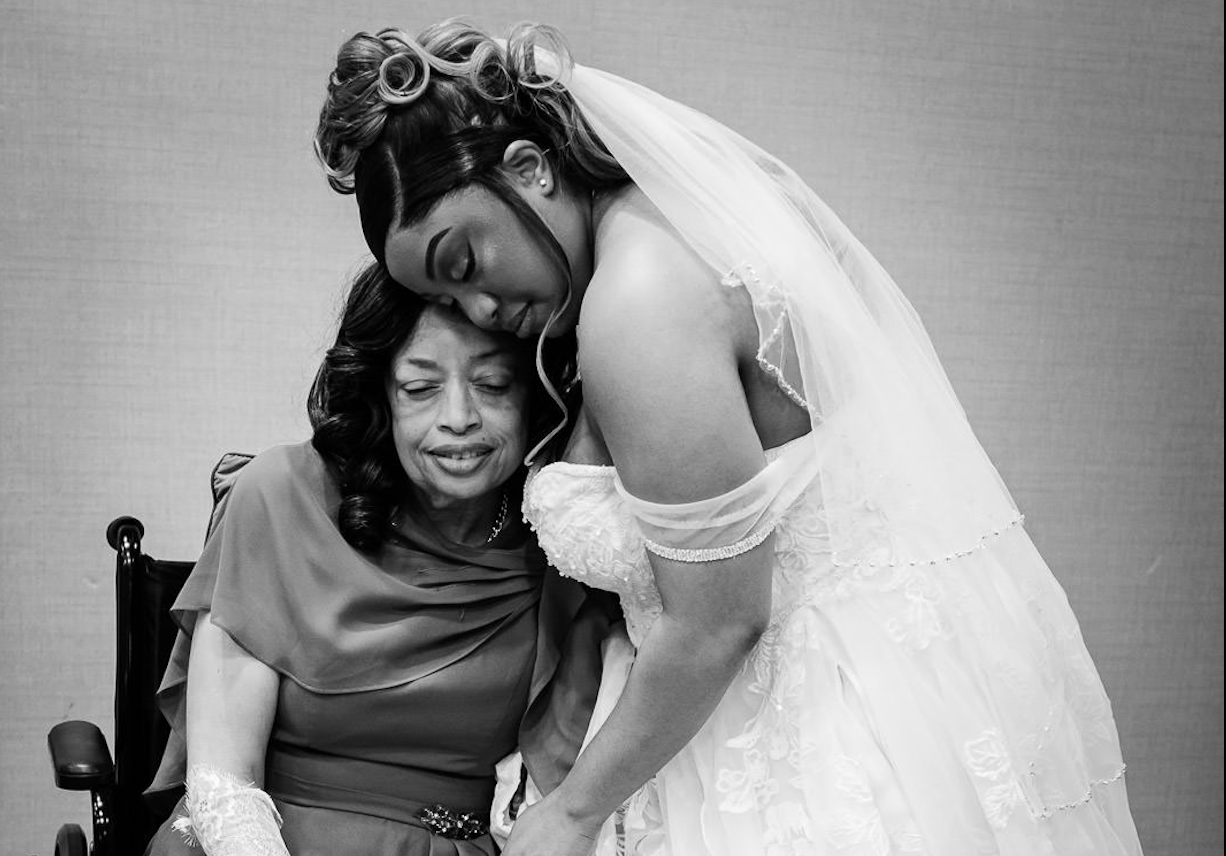
On your wedding day, your mother is the quiet anchor. She held your hand through every milestone, and on this day, she’ll watch as you step into a new chapter of your life. But the photos that truly matter—those you’ll return to year after year—are the ones of you and your mother. These photos don’t just capture how you looked; they capture the bond you share, the love that’s been built over a lifetime.
Why Mother of the Bride Photos Matter More Than You Think
Most couples think about the grand moments: the dress, the flowers, the couple’s first look. But when they revisit their wedding album a year later, it’s often the mother of the bride photos that stand out. These are the photos that tell the story of a relationship that has shaped who you are—and who you are becoming.
Your relationship with your mother predates your wedding day. She has been by your side for everything. The best wedding photos are the ones that hold a feeling, long after the day ends. And this is where documentary wedding photography truly shines—capturing those unscripted, emotional moments that matter most. Documentary wedding photography at Crystal Plaza captures exactly this kind of story.
There’s research showing personal photos trigger more vivid memories than generic images, and that the nostalgia they create deepens a person’s sense of self-continuity over time—which is a clinical way of saying what every bride already knows: the right photo doesn’t just remind you of a moment, it puts you back inside it.
The Getting Ready Moment: Where the Real Story Begins
Before the ceremony. Before the vows. Before anyone is watching.
This is the moment most couples underestimate, and it’s where the most honest photos of the entire day are made. Hair half-finished. Veil still being adjusted. And somewhere in the middle of all that motion, your mother pauses, and so do you.
The photo at the top of this post is exactly that kind of moment. No one asked them to pose. No one called them together. The bride simply rested her head against her mother’s, and the two of them stayed there, holding hands, holding each other up. Her mother’s wheelchair, the lace gloves, the soft expression on both faces—none of it was planned. All of it was true.
That’s the difference between a photograph and a portrait. A portrait shows you how someone looked. A photograph shows you how someone was.
If you want these moments captured, the wedding day timeline has to leave room for them to happen. Rushed mornings produce rushed photos. Quiet mornings produce the ones you’ll frame.
The Most Meaningful Mother of the Bride Photos to Capture
The list of “must-have” shots floating around Pinterest is a mile long. Most of it is noise. There are really only a handful of moments that matter—and they all share one thing in common. They’re about closeness, not composition.
The getting-ready embrace is the first one. It usually happens without warning. Your mother sees you in the dress, or fastens the last button, or hands you something she’s been saving, and the whole room goes quiet for a few seconds.
The veil moment is the second. There’s something about a mother adjusting her daughter’s veil that pulls every wedding photographer toward the same instinct: step back, don’t speak, let it unfold.
A quiet embrace before the ceremony is the third—often in a hallway, often where no one else is watching. The candid laughter that breaks the tension is the fourth, and the pre-ceremony pause, when your mother holds your face in her hands and tells you something only the two of you will ever know, is the fifth.
The sixth and seventh aren’t moments you can list in advance. They’re the ones your photographer recognizes when they happen, because they’ve been watching for them all morning.
Candid vs Posed: Why Real Moments Always Win
A posed photo asks people to perform. A candid photo lets people be.
Posed mother-and-bride photos have their place. You’ll want one or two—the formal kind that goes in the album, the kind your grandchildren will see one day and recognize the family resemblance. But those aren’t the photos that make people cry when they open the gallery.
The photos that do that are the ones no one knew were being taken. The hand on the small of the back. The forehead-to-forehead pause. The look across the room when your mother sees you for the first time in the dress.
You can’t fake that. You also can’t redo it.
That’s the whole argument for documentary-style wedding photography: the moments that matter most are happening whether someone is photographing them or not. The question is whether you’ll have anything to look back on when they do.
How to Make Sure These Moments Aren’t Missed
Three things have to be true.
First, your photographer has to know how to disappear. The bride in the photo at the top of this post had no idea I was in the room. That’s not an accident—that’s a skill, and it’s the difference between a photographer who captures moments and one who interrupts them.
Second, your timeline has to breathe. Pack your morning too tight and the quiet moments get squeezed out. Build in twenty minutes of unstructured time before you put the dress on. That’s where the real photos live.
Third, you have to stay present. The temptation on a wedding day is to manage it—to check the time, to text the planner, to worry about the schedule. The photos you’ll treasure are the ones where you let go of all of that and just be with the people in the room.
When You Look Back, These Are the Photos That Stay
A year from now, you won’t remember what your centerpieces looked like. You won’t remember the song that played during cocktail hour. You probably won’t remember the exact words of the toasts.
But you’ll remember the way your mother looked at you when you stepped out in the dress. You’ll remember her hand on yours before the ceremony. You’ll remember the quiet between you in the moments no one else saw.
The photos of those moments aren’t wedding photos. They’re family photos that happen to have been taken on a wedding day. And they outlive everything else.
The bride in the image above will look at that photograph in twenty years and feel the exact same thing she felt the morning it was made. That’s what these photos do. They hold time.
If moments like these are the ones you want to look back on, choosing a photographer who knows how to see them—not stage them—makes all the difference. Get in touch and let’s talk about your day.
Reply...
The Calm Behind the Camera
About Me — But Really, It’s About You
The most meaningful wedding photos never come from stiff poses.
They come from the quiet laugh you didn’t think anyone saw.
The look on your partner’s face during the vows.
The warmth of your people all around you.
I’ve been doing this for over 30 years — and I still get nervous before every wedding.
Not because I’m uncertain, but because I know how much it matters.
After photographing hundreds of weddings over the past few decades, I’ve learned something simple:
The best photos happen when you feel fully present.
That’s why I work calmly, behind the scenes — guiding when it helps, then stepping back when the real moments unfold. I’m always anticipating what’s next, so you never have to think about a thing.
My goal is simple: to help you relax, feel confident, and walk away with photos that feel like you — not a filtered version of someone else’s idea of perfect.
Most of my couples say the same thing:
“We’re so glad we didn’t have to worry.”


trusted by over 800 couples In NYC & NJ you’re in great hands.
201-834-4999 | 917-992-9097
alex@alexkaplanweddings.com
Let’s Connect
alex@alexkaplanweddings.com
917-992-9097
I’d love to hear what you’re planning. I’ll personally reach out to learn more and see how I can help.


