
Your wedding day should feel relaxed, joyful, and completely yours.
I’m Alex Kaplan, a wedding photographer and videographer based in New Milford, NJ, serving Northern NJ, NYC, and the Hudson Valley. For over 30 years, I’ve helped couples enjoy their day without feeling rushed, while I quietly capture the real moments, natural portraits, and genuine emotions you’ll still love decades from now.
Browse by Category:
WEDDINGS
Browse by Venue:
view more

REQUEST INFORMATION
Want to feel like THIS on your wedding day?
Availability is limited. Check Your Date Here
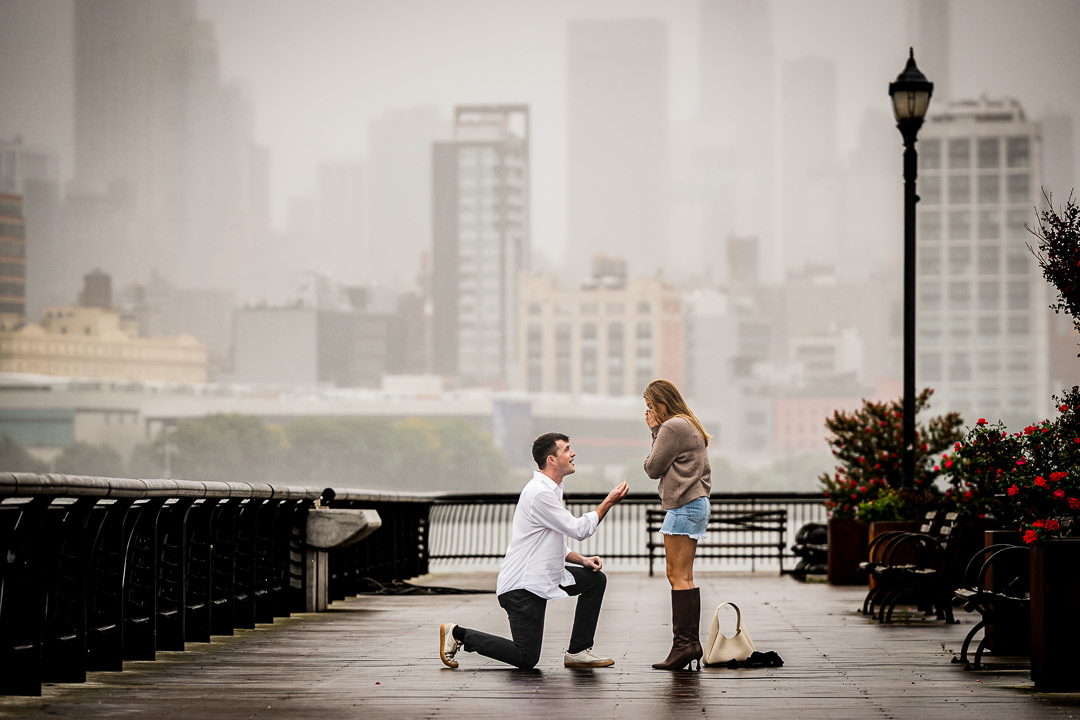
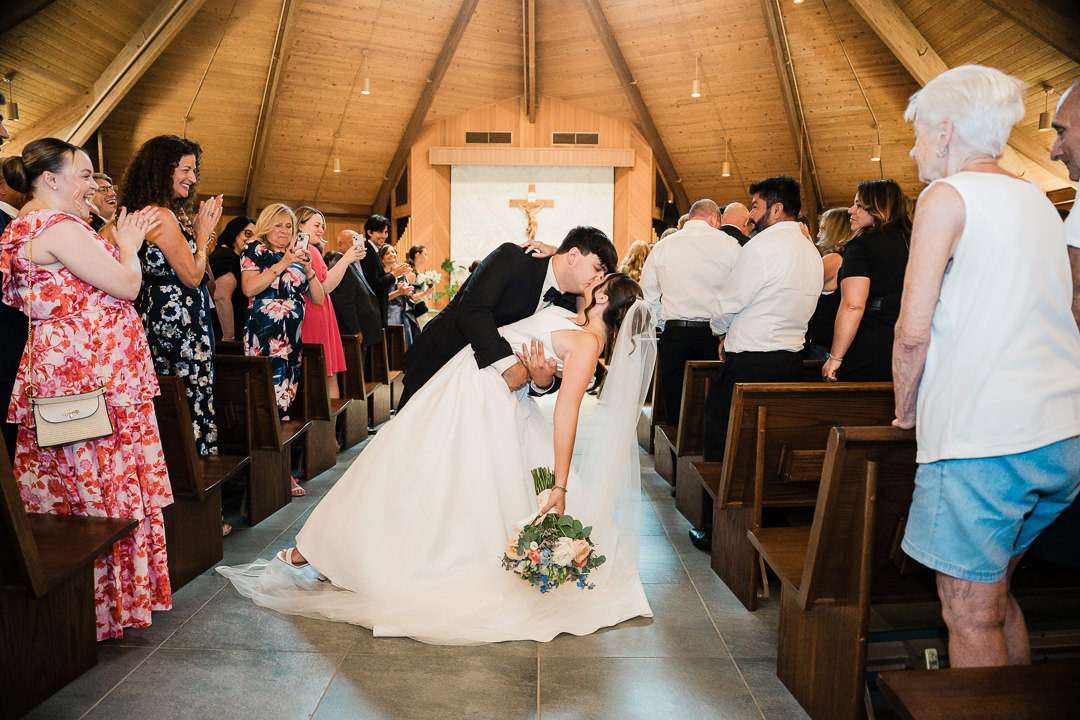


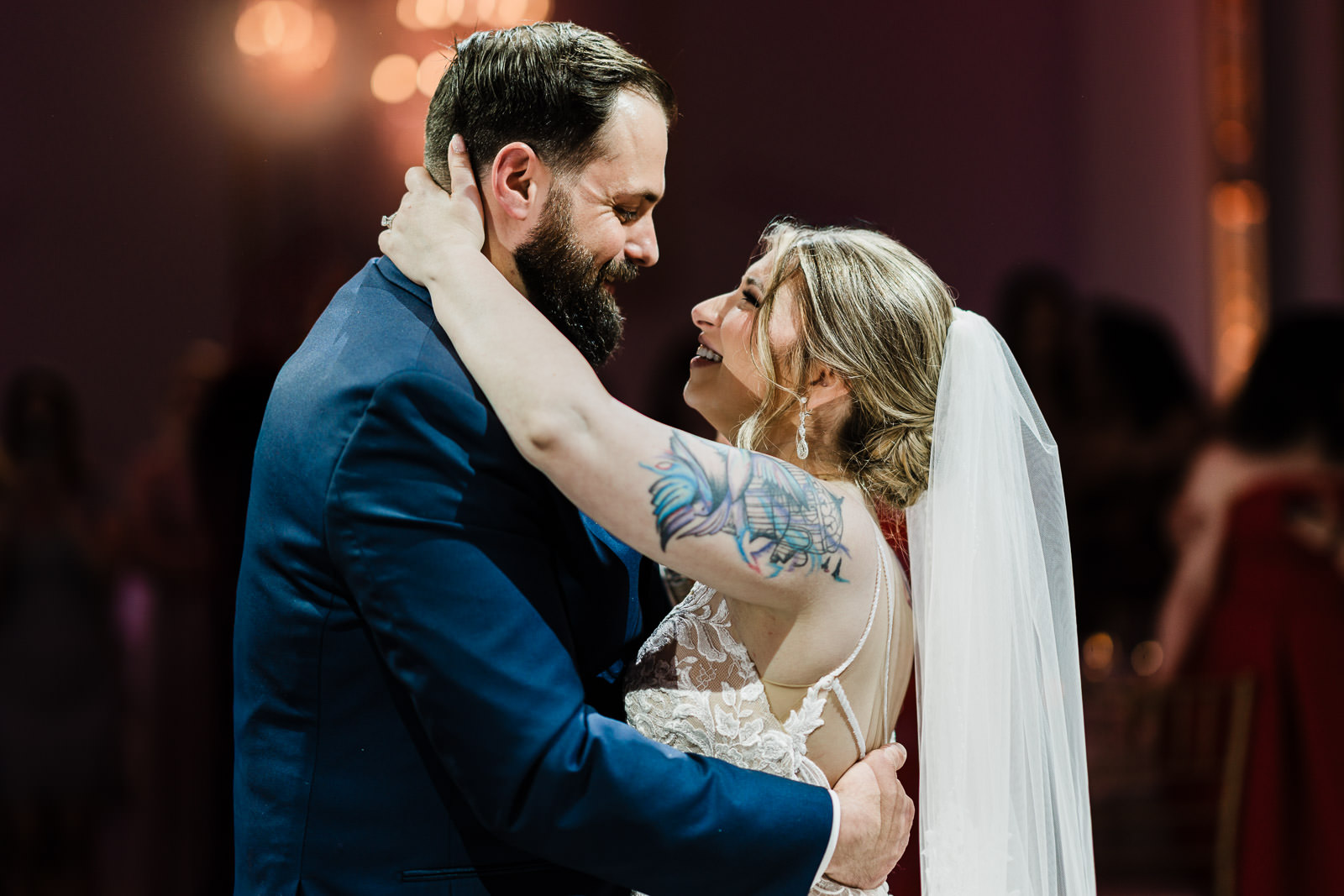
There’s a moment that happens on almost every dance floor I’ve ever photographed.
The song starts. The couple steps together. And somewhere in the first thirty seconds, before they’ve even thought about who’s watching, something real slips through. A laugh, a whisper, a look that says I can’t believe we actually did it.
That’s the shot. That’s what your wedding first dance photos are supposed to hold onto.
But here’s the thing most couples don’t realize until after the wedding: the first dance moves fast. Really fast. Most songs are three to four minutes long, and the best moments happen in seconds. There’s no do-over, no second take, and no way to pause time while you’re living inside it.
That’s why knowing what to look for, and having a photographer who knows when to expect it, makes all the difference between a gallery that documents your first dance and one that actually captures it.
After being a photographer of over 800 weddings across New Jersey, New York, Long Island, and the Hudson Valley, I’ve learned that the best first dance photography isn’t about grand, posed moments. It’s about the five specific beats where couples forget the room and just exist together.
Here’s what they are.
1. The First Step: That Exhale of Relief
The moment you walk out onto the dance floor for your first dance, something happens to your shoulders. They drop. Your jaw unclenches. After hours of ceremony and cocktail hour and toasts and everything else, you finally have three minutes where nothing is required of you except to be with each other.
That exhale photographs beautifully.
I watch for the bride reaching for her partner’s hand, the groom pulling her in just a half-second faster than she expected, the slight laugh as someone immediately steps on the other’s foot. These aren’t failures. They’re the beginning of the story.
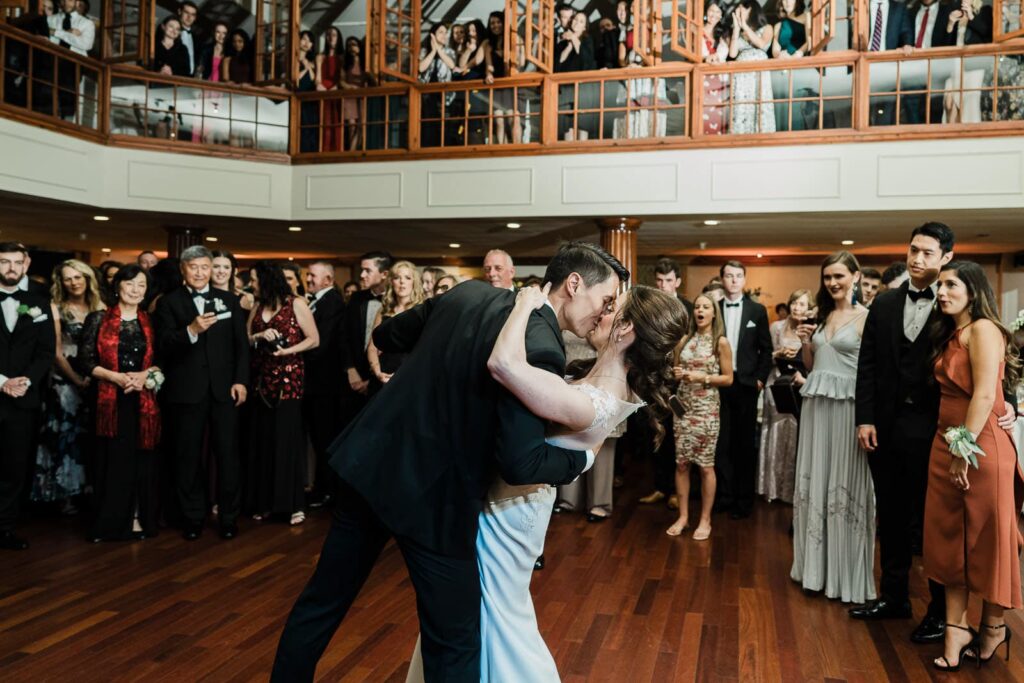
A wide frame here tells the whole story: the dance floor, the surrounding guests, and the couple together for the first time that night as husband and wife. The scale matters. It tells the viewer: this is the moment.
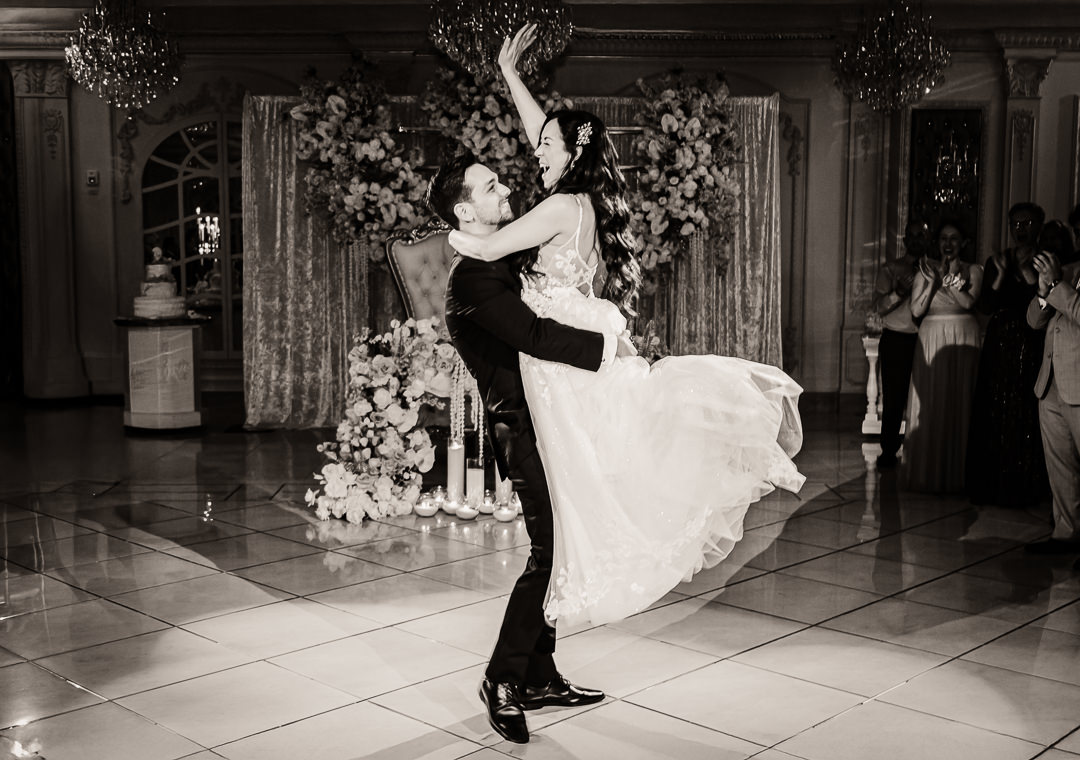
2. The Whisper
It happens in almost every first dance I’ve ever photographed, usually somewhere between thirty seconds and two minutes in.
One partner leans in and says something. And the other one reacts.
Sometimes it’s a laugh (like the one you’re seeing at the top of this page, from a wedding at Bonnet Island Estate). Sometimes it’s a happy cry. Sometimes it’s just a smile that takes over their whole face because they weren’t expecting it.
I never need to know what was said. I just need to be ready for the reaction.
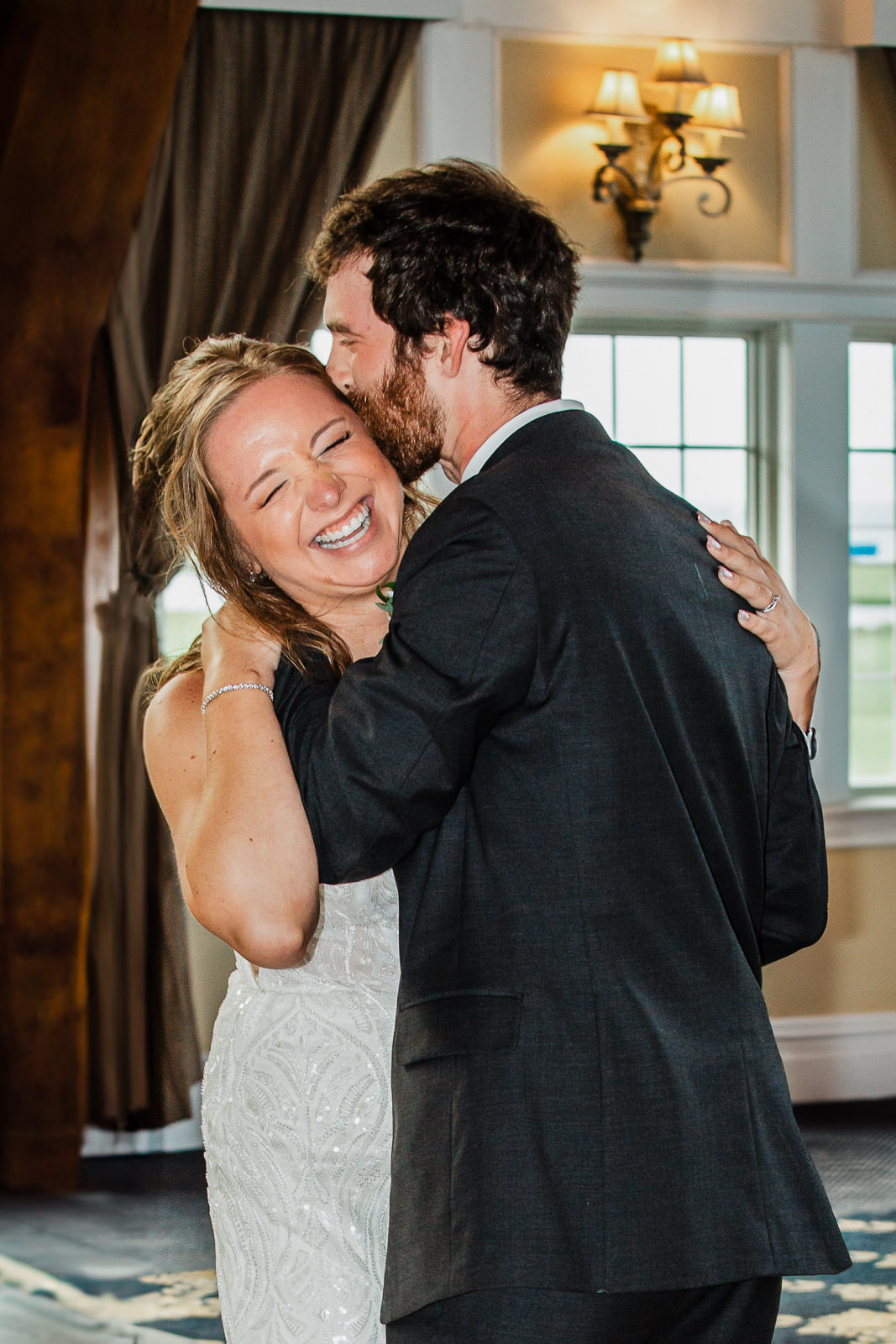
I stay far enough back that couples can forget I’m there. The most genuine reactions happen when they’ve stopped thinking about the camera.
This is also why the whisper shot is nearly impossible to recreate for portraits later. You can pose a look, but you can’t pose a real reaction. It has to happen live.
3. The Laugh-Cry Convergence
Somewhere in the middle of most first dances, couples hit a moment where they genuinely don’t know whether to laugh or cry.
It’s not a bad thing. It’s one of my favorite things to photograph.
There’s something uniquely human about that collision of joy and overwhelm, where the happiness is so big it needs two different exits. I’ve photographed brides laughing so hard they buried their face in their groom’s shoulder. I’ve photographed grooms who started crying and then laughed at themselves for crying. I’ve photographed couples who looked at each other and just lost it at exactly the same time.
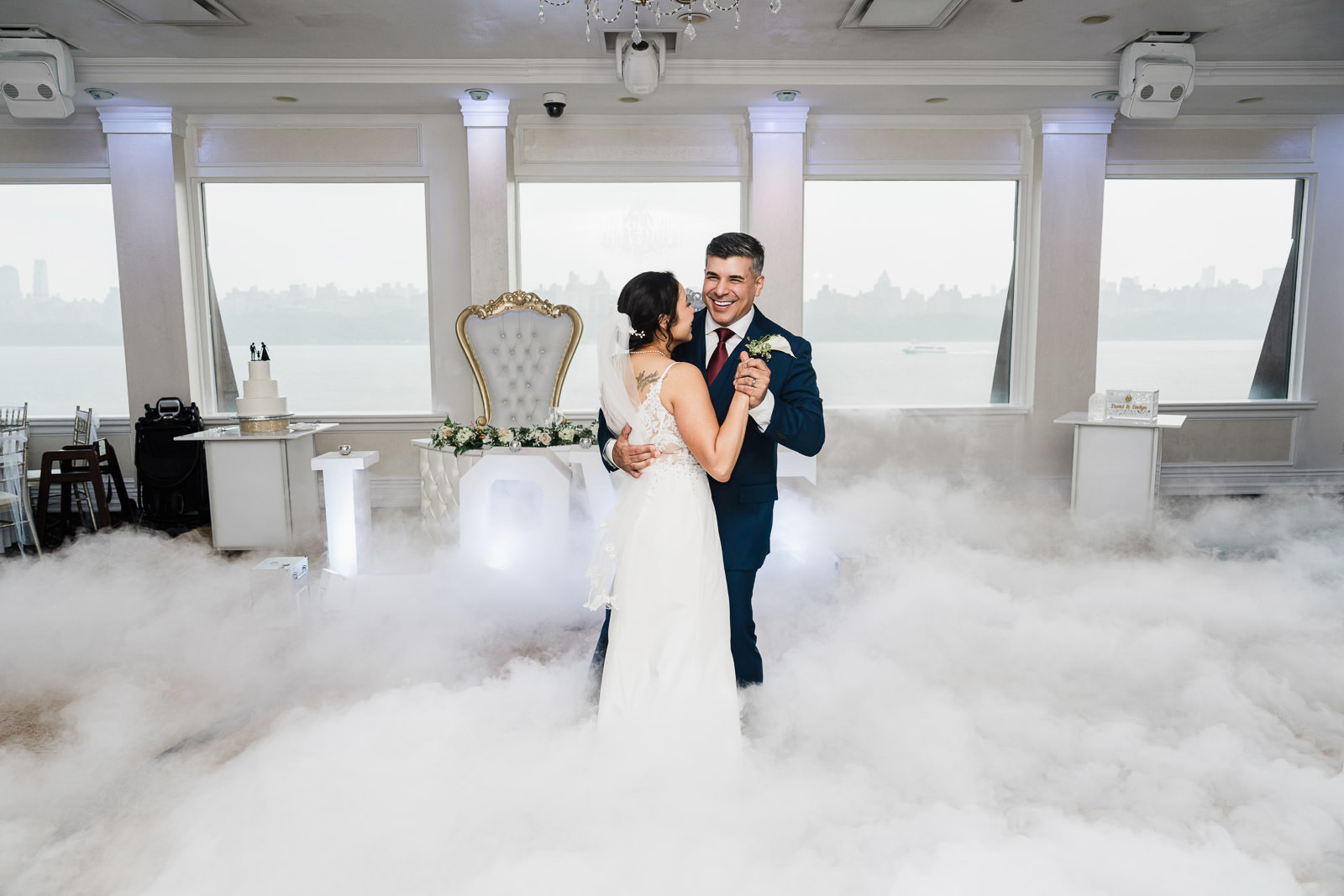
These are the first dance photos that end up on mantels. Not because they’re perfect, but because they’re true.
I stay ready for the split-second shift from laugh to tears. Blink and you miss the whole thing. That’s what documentary-style wedding photography is built for: being ready before the moment, not chasing it after.
4. The Quiet
Not every moment in a first dance is loud with emotion.
Some of the most powerful first dance photography comes from the quiet parts. When couples stop trying to perform the moment and just… are in it. Foreheads touching. Eyes closed. Swaying more than dancing at that point, not caring at all about footwork.
These shots don’t always get the immediate reaction that a big laugh does. But couples come back to them years later, because they’re the ones that feel like being at a wedding rather than watching one.
I keep the background soft so the moment stays intimate. The two of them, the light, nothing else competing for attention.
5. The Crowd Reaction
Here’s one that newer photographers often miss entirely: the guests.
Your parents are watching. Your best friends are watching. Your grandparents, who have been married for fifty years and remember their own first dance, are watching.
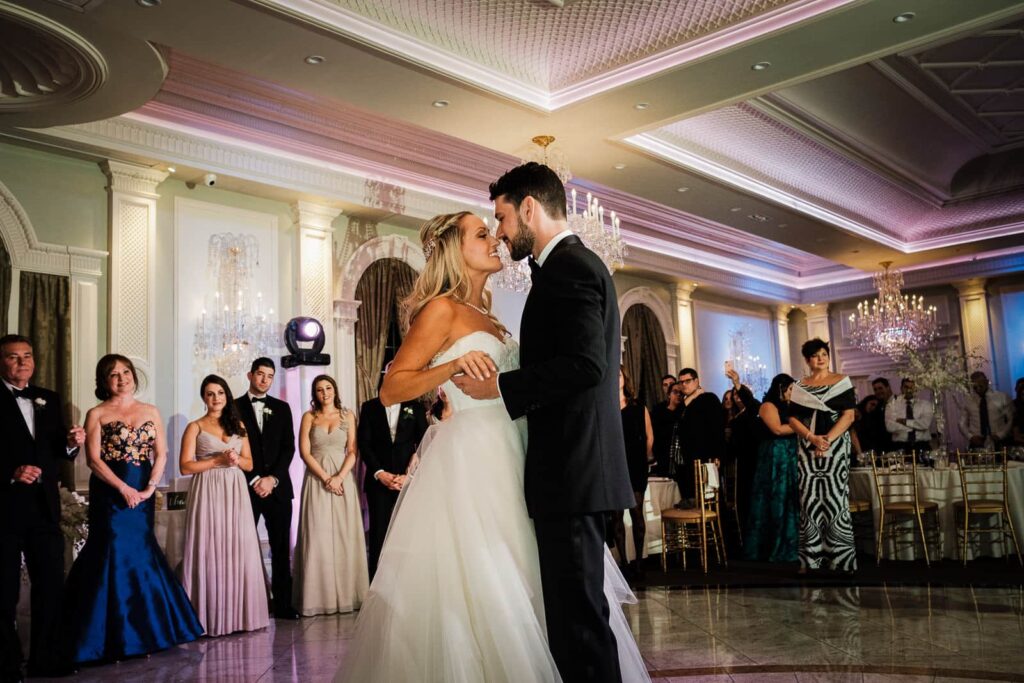
The best wedding reception first dance coverage doesn’t just live on the dance floor. It lives in the faces of the people you love most, watching you start your life together. A mother with her hand over her mouth. A best man grinning like an idiot. A grandmother quietly dabbing at her eyes.
These reaction shots are part of the story. They show what your first dance meant to the room, not just to the two of you. This is one of the strongest arguments for having two photographers at your wedding. One story happens on the floor. A completely different story is happening ten feet away.
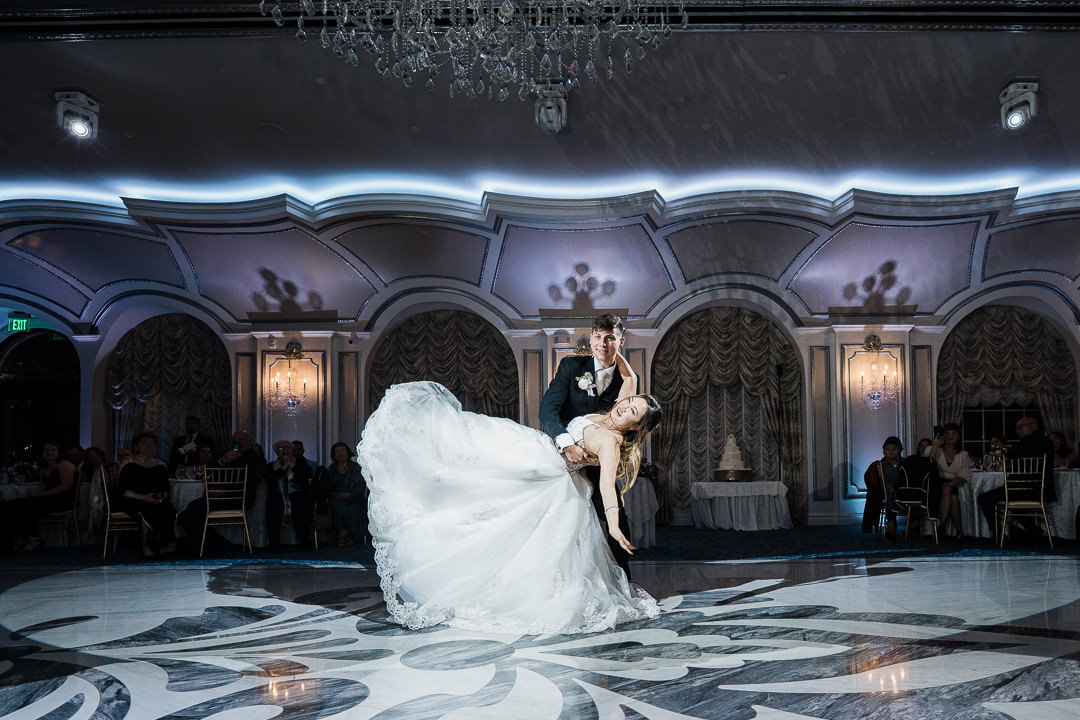
Quick Checklist: What Couples Can Do to Help for the Wedding First Dance
Save this. These five things make a real difference in your first dance photos.
- Stand 10 to 15 feet from the crowd. Don’t play to the room.
- Hold each other close for the first 20 seconds before you start worrying about steps.
- Whisper something real. Anything.
- Take one slow pause with your foreheads together or eyes closed.
- Look out once to see your people reacting. It’s worth it, and it photographs beautifully.
How to Set Your Wedding First Dance Up for Great Photos
A few things I tell every couple before their wedding day:
Choose a song you actually love, not one you think photographs well. Real emotion always produces better images than a performance. I’ve photographed first dances to country songs, hip-hop deep cuts, movie scores, and a few songs I had to look up afterward. The best photos always come from the couples who were actually in the music.
Forget about dancing perfectly. I genuinely do not care if you can’t dance. Couples who try to nail their choreography and couples who just hold each other and sway: the second group gets better photos every single time.
Talk to your DJ or band about lighting. A single warm spotlight on the dance floor does wonders for first dance photography. Harsh overhead venue lighting, colored moving lights, or strobe effects during the actual song make the photographer’s job significantly harder. One brief conversation with your coordinator before the reception can change everything.
Give yourself the full song. Some couples want to cut their first dance short to keep the reception moving. I understand that instinct, but some of my favorite shots come in the final thirty seconds, when couples stop thinking about being watched and just hold on.
If you’re at the stage of planning where you’re still dreaming up how the whole day unfolds, this guide on wedding proposal ideas is a great place to start building the full story from the beginning.
First Dance Photography at New Jersey Venues
Different venues create very different conditions for first dance photography, and having photographed most of them across NJ, I can say that preparation makes a real difference.
Bonnet Island Estate is one of my favorites for first dance coverage. The chandeliers and sconce lighting in the reception room create an almost film-like quality, especially in the golden hours after sunset. The image at the top of this post is from exactly that kind of light.
Venues with full windows, like many Hudson Valley properties, offer softer, more editorial natural light during late afternoon receptions. It changes the whole feel of the images.
Indoor ballrooms require a different approach entirely: working with uplighting, anticipating where the primary spotlight will land, and communicating early with the venue coordinator about preserving ambient light once the dancing starts.
If you’re planning a New Jersey wedding and want to talk through what to expect at your specific venue, I’m happy to get into the details. After 800+ weddings, there’s a good chance I’ve already shot there.
FAQ: First Dance Photography
How long should our first dance be? Most songs run three to four minutes, and I’d strongly recommend keeping the full length. The best moments often come late in the song, when you’ve settled in and stopped performing. If you’re worried about pacing, talk to your coordinator about flow rather than cutting the song.
What lighting is best for first dance photos? A warm, single spotlight centered on the dance floor is ideal. It creates natural contrast and separation without competing color light. Avoid strobe or moving lights during the first dance itself, and try to keep some ambient room light rather than going full dark.
Should we do a spotlight first dance? Most of the time, yes. A spotlight keeps the focus on you and gives the photographer clean, consistent light to work with throughout the song. If your venue offers it, take it.
Do we need two photographers for the reception? I recommend it, especially for the first dance. While one photographer covers the floor, the second can move into the crowd and capture guest reactions, which are often as emotional as the dance itself. Photo and video coverage and content creation are available for couples who want the full story told across every format.
Alex Kaplan is a New Jersey wedding photographer specializing in documentary-style coverage throughout the tri-state area. Calm direction, natural moments, and a fast turnaround. To inquire about your wedding date, reach out here or call 917-992-9097 or 201-834-4999.
Reply...
The Calm Behind the Camera
About Me — But Really, It’s About You
The most meaningful wedding photos never come from stiff poses.
They come from the quiet laugh you didn’t think anyone saw.
The look on your partner’s face during the vows.
The warmth of your people all around you.
I’ve been doing this for over 30 years — and I still get nervous before every wedding.
Not because I’m uncertain, but because I know how much it matters.
After photographing hundreds of weddings over the past few decades, I’ve learned something simple:
The best photos happen when you feel fully present.
That’s why I work calmly, behind the scenes — guiding when it helps, then stepping back when the real moments unfold. I’m always anticipating what’s next, so you never have to think about a thing.
My goal is simple: to help you relax, feel confident, and walk away with photos that feel like you — not a filtered version of someone else’s idea of perfect.
Most of my couples say the same thing:
“We’re so glad we didn’t have to worry.”


trusted by over 800 couples In NYC & NJ you’re in great hands.
201-834-4999 | 917-992-9097
alex@alexkaplanweddings.com
Let’s Connect
alex@alexkaplanweddings.com
917-992-9097
I’d love to hear what you’re planning. I’ll personally reach out to learn more and see how I can help.


